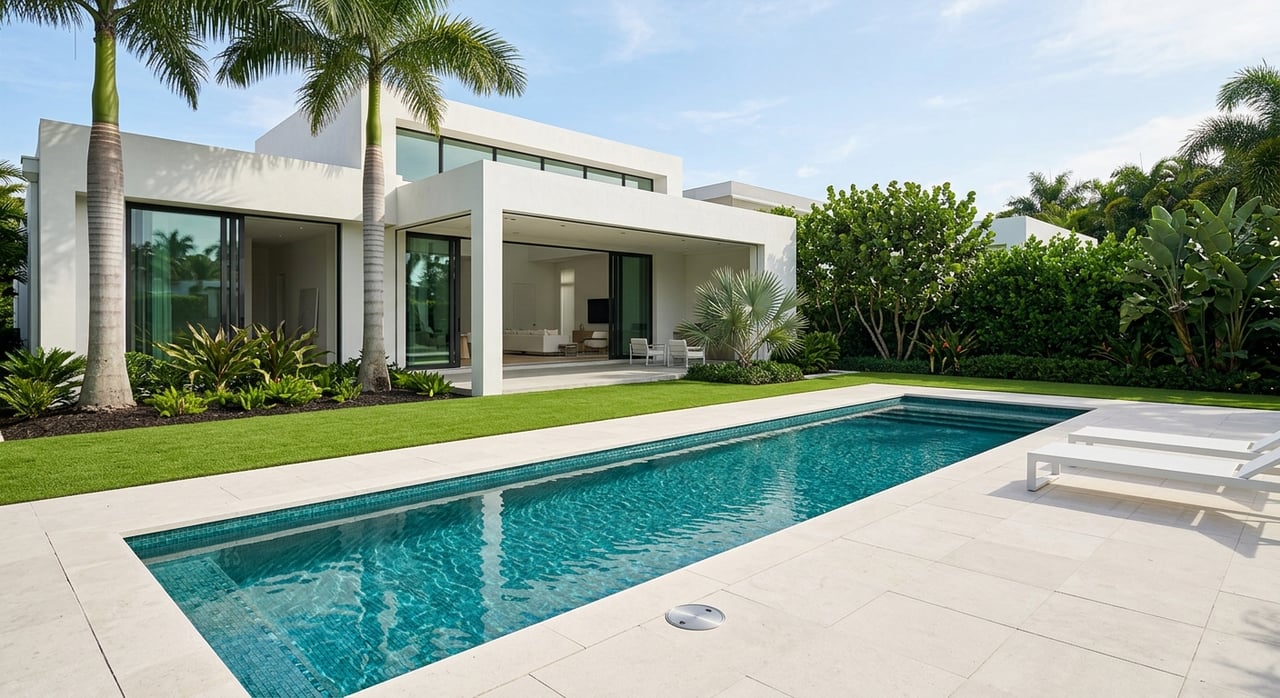
Explore Palmetto Bay Lifestyle and Estates in Parkside Estates
April 2, 2026
April 2, 2026
Looking for more space without giving up access to parks, water, and everyday convenience? That balance is a big reason buyers pay attention to Parkside Estates and the broader Palmetto Bay lifestyle. If you are weighing whether this part of South Miami-Dade fits your goals, this guide will walk you through what makes the area stand out and why it continues to appeal to buyers seeking estate-style living. Let’s dive in.
Palmetto Bay offers a residential setting with strong outdoor access and a distinct bayfront identity. The village describes itself as family-oriented and closely tied to parks, open space, and Biscayne Bay, which gives the area a different feel from more urban parts of Miami-Dade. It was incorporated in 2002 and, according to U.S. Census QuickFacts, had an estimated 25,402 residents in 2024 across 8.29 square miles.
For many buyers considering Parkside Estates, that scale matters. You are not looking at a dense, fast-paced environment. Instead, you get a village setting that feels established, residential, and connected to green space.
Parkside Estates is identified in local housing data as a neighborhood within Palmetto Bay. That means the lifestyle conversation is really about how the village functions day to day, from recreation and waterfront access to housing patterns and public amenities.
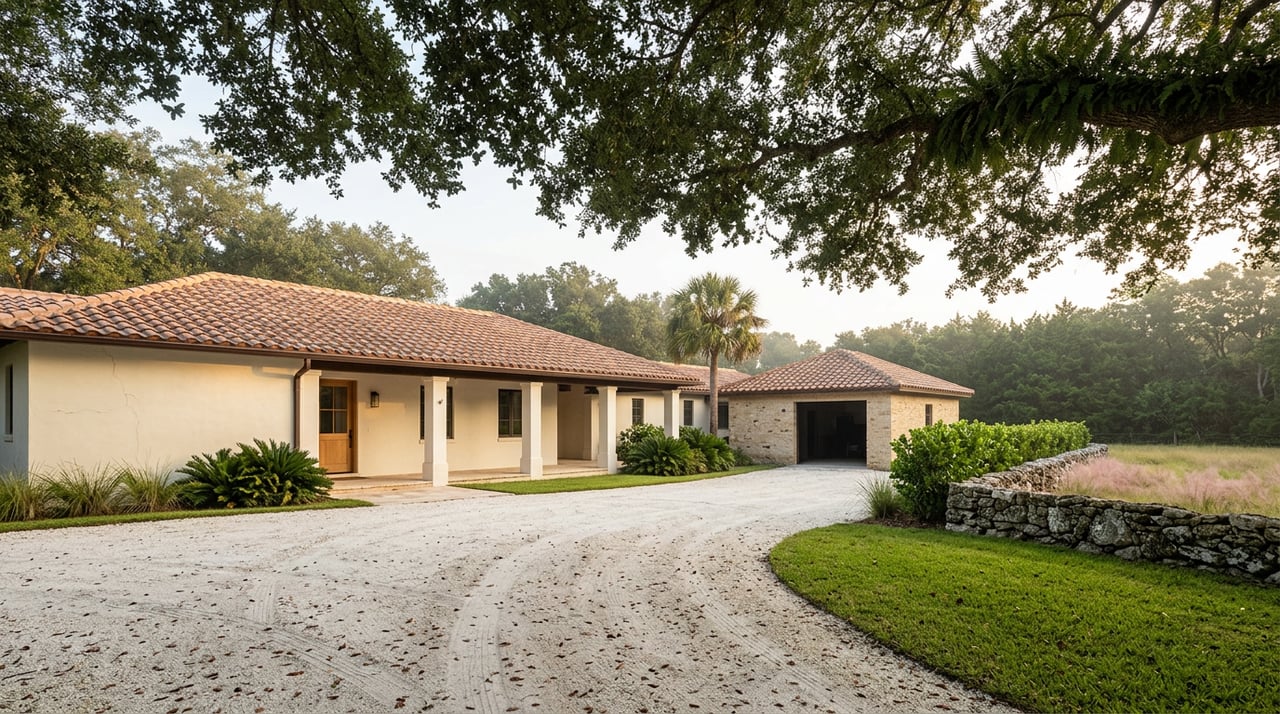
If your priority is a larger single-family home in a low-density setting, Palmetto Bay aligns well with that search. The village’s E-M zoning district standards require a minimum lot size of 15,000 net square feet, at least 68% open space, and a maximum lot coverage of 32%, which helps support the estate-style character many buyers want.
One of the clearest lifestyle advantages in Palmetto Bay is its strong park network. According to the village’s Parks Master Plan, the system includes Coral Reef Park, Thalatta Estate Park, Palmetto Bay Park, Perrine Wayside Dog Park, Ludovici Park, and the planned Veterans Park.
That variety gives you options for different kinds of routines. Some days may center on sports or playground time, while others are better suited to a quiet walk, a bay view, or a stop at the library.
Coral Reef Park spans more than 50 acres and includes open green space, pinelands preserve areas, a canal, playgrounds, and a wide range of sports facilities. The village lists tennis, baseball, beach volleyball, racquetball, and pickleball among the available amenities.
This park plays a major role in everyday recreation. It also recently gained another draw, with the village opening the Coral Reef Park Recreation Center and Pickleball Courts in March 2026.
Palmetto Bay Park offers a different but equally useful mix of amenities. The village describes it as a 25-acre facility with expansive greenspace, a six-field softball complex, basketball courts, and the largest Boundless Playground in South Florida.
For buyers thinking beyond the house itself, access to a park system like this adds practical value. It supports an active routine without requiring a long drive to enjoy outdoor space.
Ludovici Park brings a quieter civic feel to the area. It includes the Palmetto Bay Branch Library, a community room, and an amphitheater overlooking Biscayne Bay.
That combination is worth noting because it broadens the lifestyle beyond sports fields and playgrounds. You also have spaces for reading, small community events, and time by the water in a calmer setting.
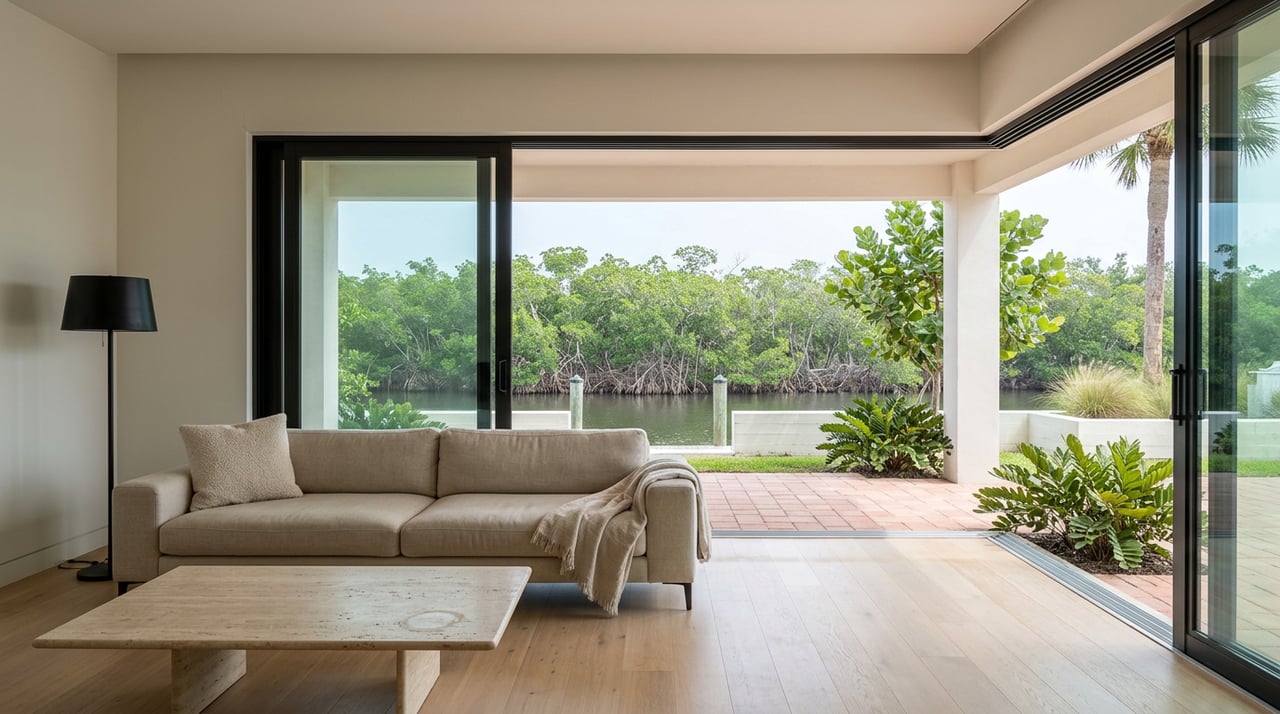
Palmetto Bay’s access to Biscayne Bay is one of its most distinctive features. For buyers comparing nearby communities, this is often where Palmetto Bay separates itself.
Thalatta Estate Park sits on about four acres along Biscayne Bay and offers direct water access, unobstructed bay views, and a trail connection to the Old Cutler Bicycle Trail. It is the kind of amenity that can make a normal weekday feel more like a retreat.
Just to the south, Deering Point near the Deering Estate is described by the estate as the only location within 13 miles of downtown Miami offering free public access to Biscayne Bay for canoeing, kayaking, wildlife viewing, and fishing. The Deering Estate in Palmetto Bay also offers a mangrove boardwalk, nature areas, and kayak programs.
If you value the ability to get on the water, enjoy shoreline views, or spend time in natural areas close to home, Palmetto Bay gives you that in a way many suburban markets do not.
Lifestyle is not just about weekend recreation. It is also about how easily your daily routine works.
Palmetto Bay’s public resources support that routine in practical ways. The village’s schools directory includes Coral Reef Elementary, Howard Drive Elementary, Dr. Henry E. Perrine Academy of the Arts, Southwood Middle School, and Miami Palmetto Senior High School, giving buyers a useful overview of schools serving the area through the village’s official schools page.
The village has also invested in safety and accessibility near local campuses. Its Safe Routes to School project includes sidewalks, crosswalk upgrades, ADA ramps, and school-zone safety improvements around elementary schools.
For households planning around after-school activity and seasonal programming, the village also operates a summer camp program at Coral Reef Park and Coral Reef Elementary for children ages 5 to 13.
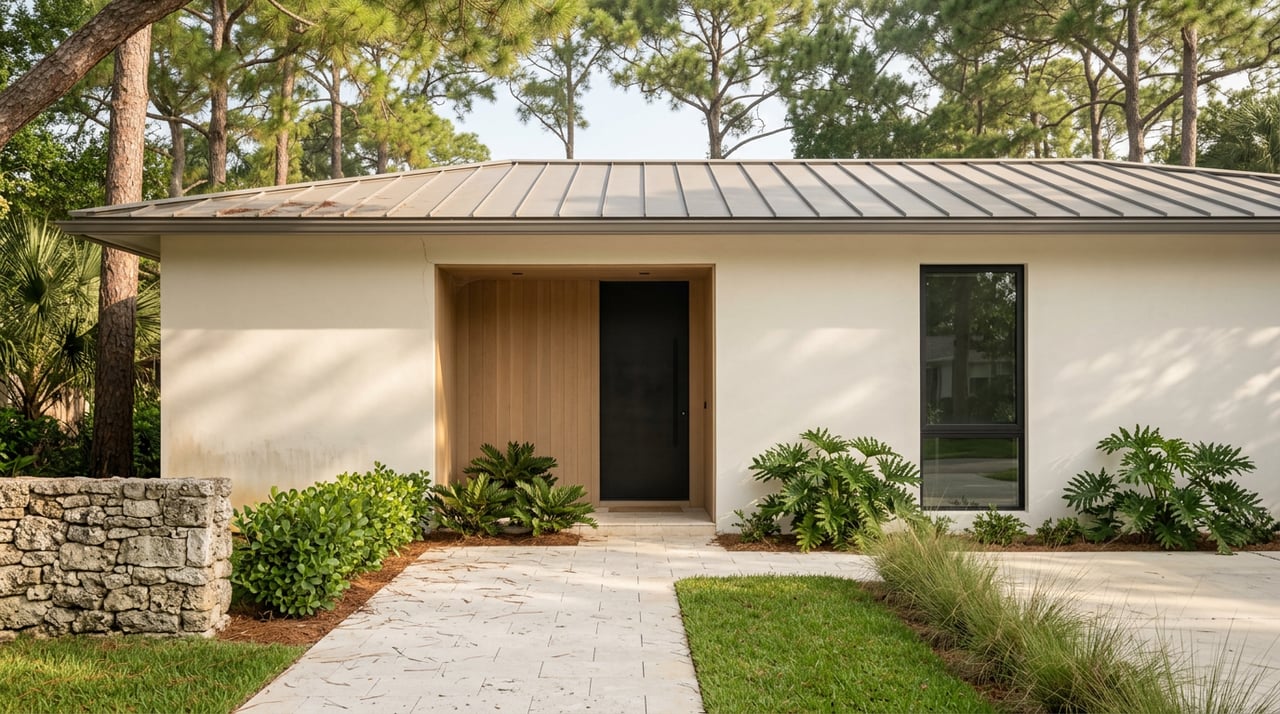
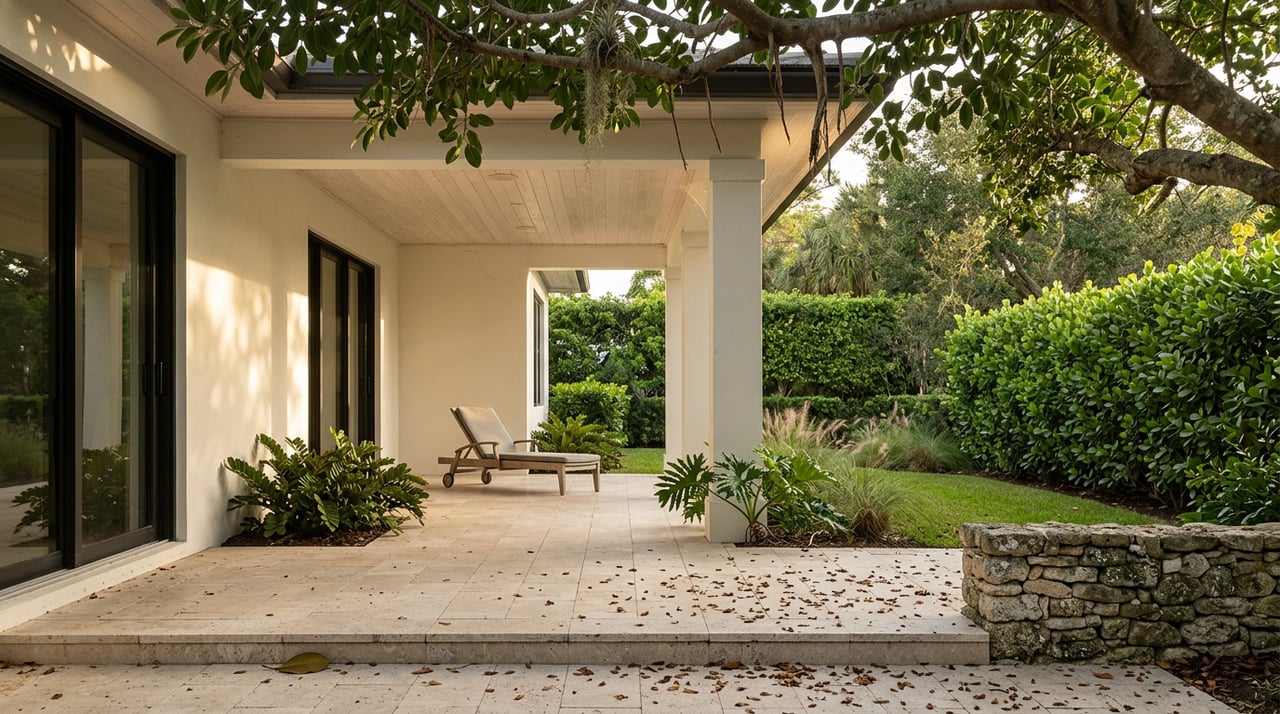
For Parkside Estates buyers, the physical character of Palmetto Bay is a major part of the appeal. The zoning framework supports lower-density residential living, which tends to translate into more open space and a less compact streetscape.
That can matter if you are searching for a home that feels private, spacious, and better suited to long-term living. In a market where lot size and breathing room are often hard to find, Palmetto Bay offers a more estate-oriented pattern than many surrounding areas.
The pricing context also helps explain buyer interest. The research provided notes a current average home value of $1,062,161 in Palmetto Bay, with values down 1.7% over the past year.
Buyers often compare Palmetto Bay with Pinecrest because both offer a South Miami residential setting with larger homes and mature landscaping. There are real similarities, but the lifestyle emphasis is a bit different.
According to Palmetto Bay’s welcome page and Pinecrest’s village overview, Pinecrest leans more heavily into an established luxury-residential identity, while Palmetto Bay emphasizes bay access, parks, and a family-oriented atmosphere.
The numbers in the research report also show a price gap. Census data lists Palmetto Bay with 25,402 residents across 8.29 square miles, while Pinecrest has 18,981 residents across 7.45 square miles. The report also notes average home value at $2,129,540 in Pinecrest compared with $1,062,161 in Palmetto Bay.
For many buyers, that makes Palmetto Bay an appealing value-for-space alternative. You can often target greenery, estate-style lots, and strong recreation access without stepping fully into Pinecrest pricing.
Parkside Estates may be a strong fit if you want a home base that supports both privacy and activity. Buyers who are often drawn to this type of setting include those looking for:
If that sounds like your search, the neighborhood deserves a closer look within the broader Palmetto Bay market.
The appeal of Parkside Estates is not just about a single home or street. It is about being part of a village where open space, bay access, recreation, and estate-style residential living all work together.
For buyers who want room to spread out and a setting that feels connected to nature without leaving South Miami-Dade, Palmetto Bay makes a compelling case. If you are exploring opportunities in this market and want discreet, informed guidance, Miami Brokers Group can help you evaluate the right fit and navigate your next move with a tailored strategy.
Stay up to date on the latest real estate trends.
Etiam non quam lacus suspendisse faucibus interdum. Orci ac auctor augue mauris augue neque. Bibendum at varius vel pharetra. Viverra orci sagittis eu volutpat.