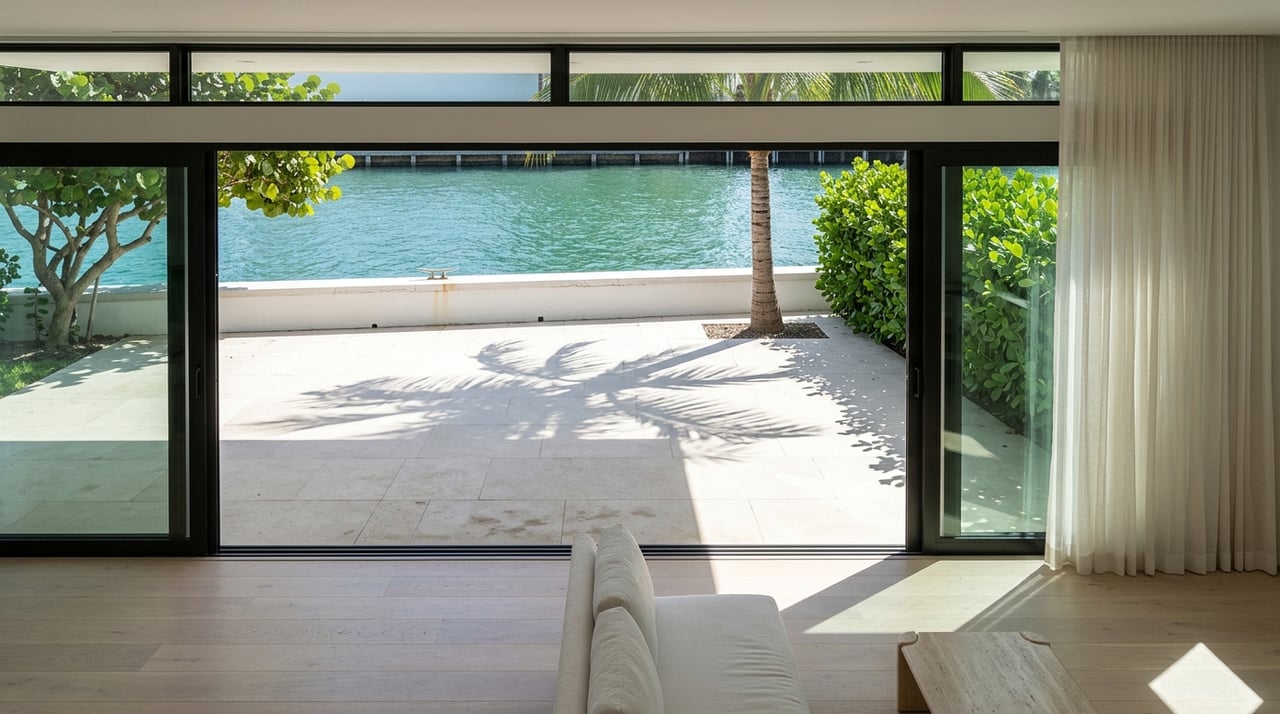
Waterfront Living In Gables By The Sea
June 18, 2026
June 18, 2026
Looking for waterfront living in Coral Gables often sounds simple until you realize not every water-facing home offers the same boating experience. If you are considering Gables by the Sea, you need more than a pretty canal view. You need to understand how this enclave works, what makes one lot different from another, and which details matter before you buy. Let’s dive in.
Gables by the Sea is a gated residential enclave on the southeastern edge of Coral Gables. Miami-Dade County describes it as a community developed in the 1960s with single-family homes along a canal system near the Biscayne Bay coastline.
County records place the neighborhood between Cartagena Avenue to the north, Biscayne Bay to the east, Bella Vista Avenue to the south, and Old Cutler Road to the west. That setting gives the area a tucked-away feel while keeping it connected to the broader Coral Gables waterfront landscape.
Miami-Dade special district records also reference two guardhouses operating 24 hours a day, 365 days a year. In practical terms, this supports the neighborhood’s reputation as a controlled-access waterfront community rather than a pass-through street grid.
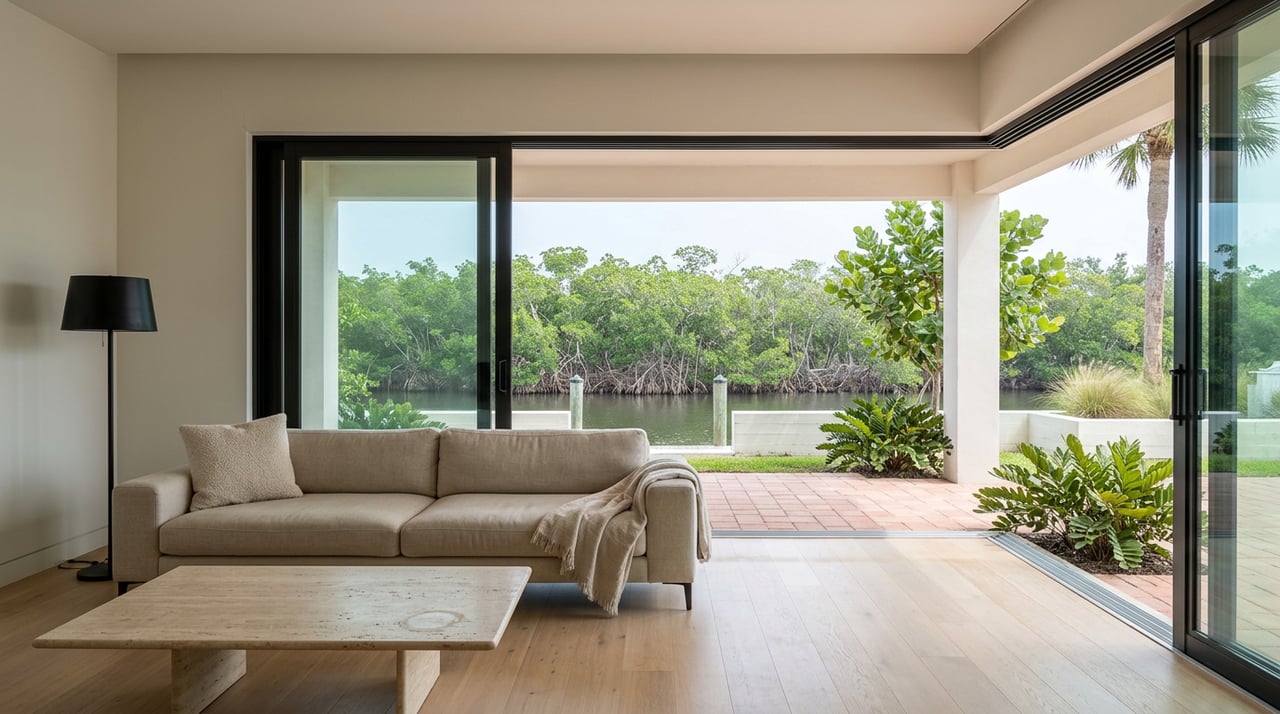
Gables by the Sea offers a mix of canal-front and inland homes, and that variation is part of its appeal. Some properties focus on dockage and water access, while others offer the privacy and atmosphere of the neighborhood without direct frontage.
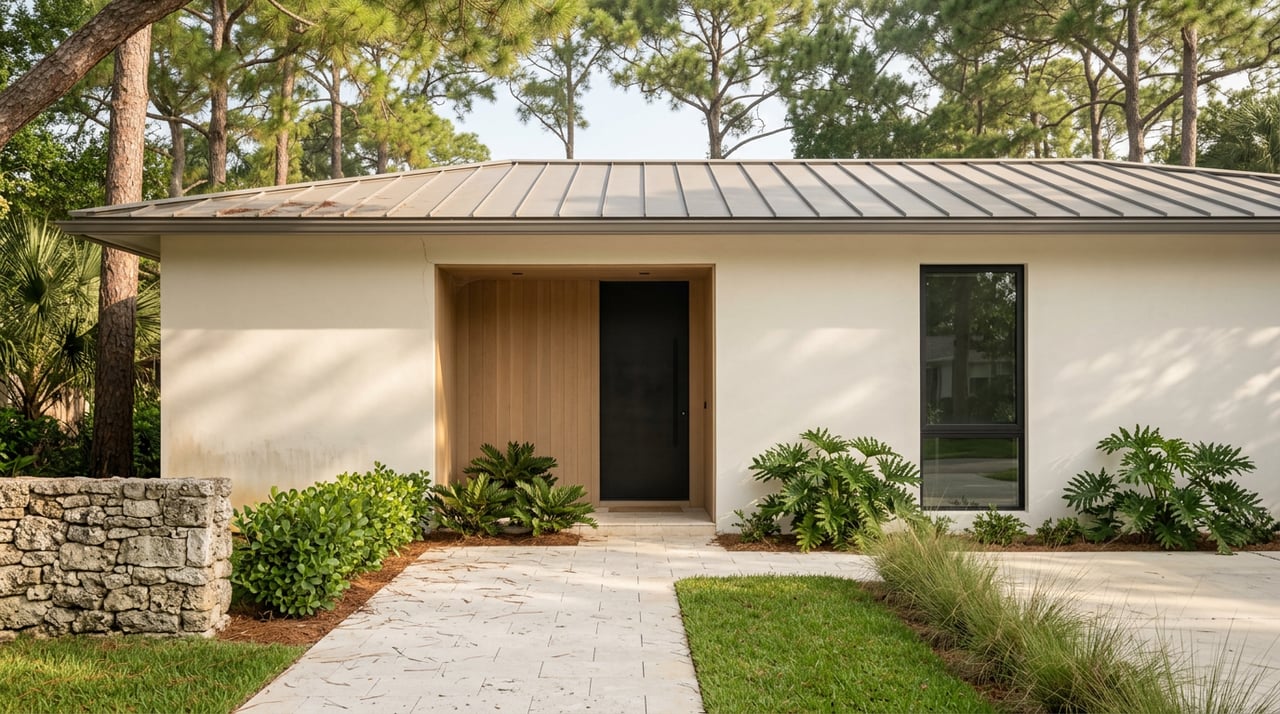
The streetscape also feels different from Coral Gables’ older historic areas. While Coral Gables is known for Mediterranean-inspired design standards and architectural oversight, Gables by the Sea shows a more varied waterfront housing stock shaped by remodeling, rebuilds, and lot-by-lot redevelopment over time.
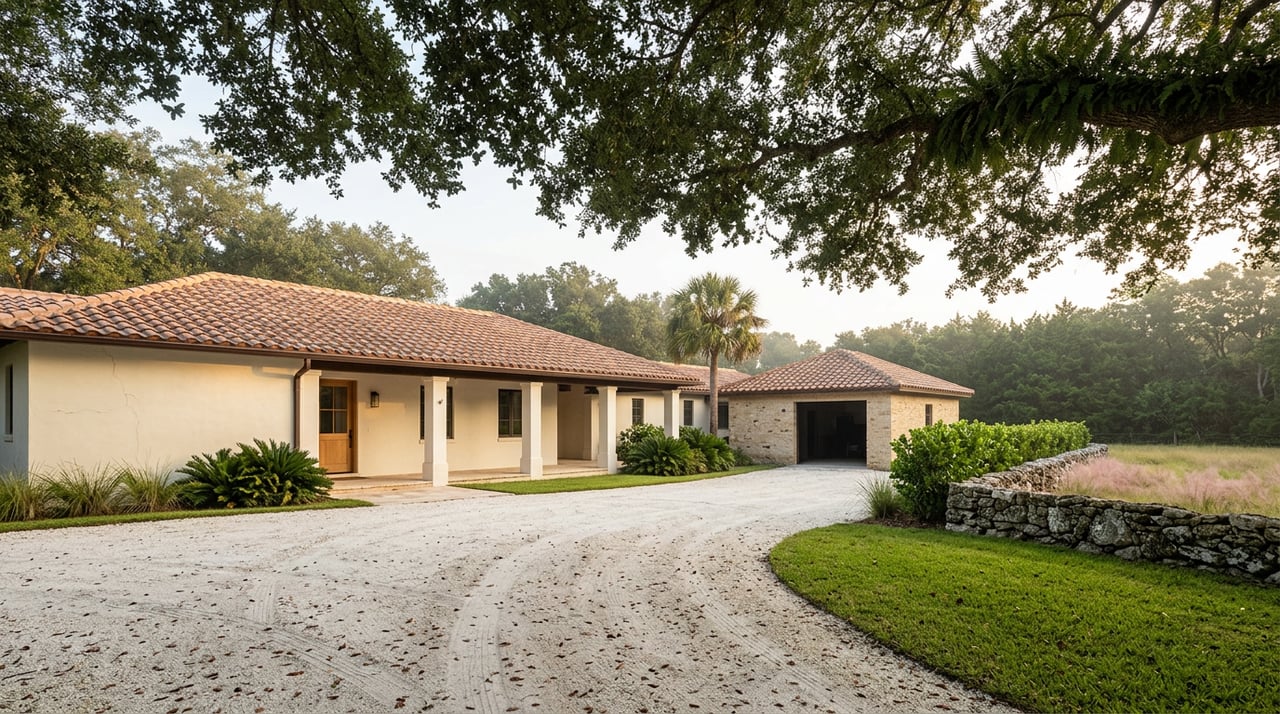
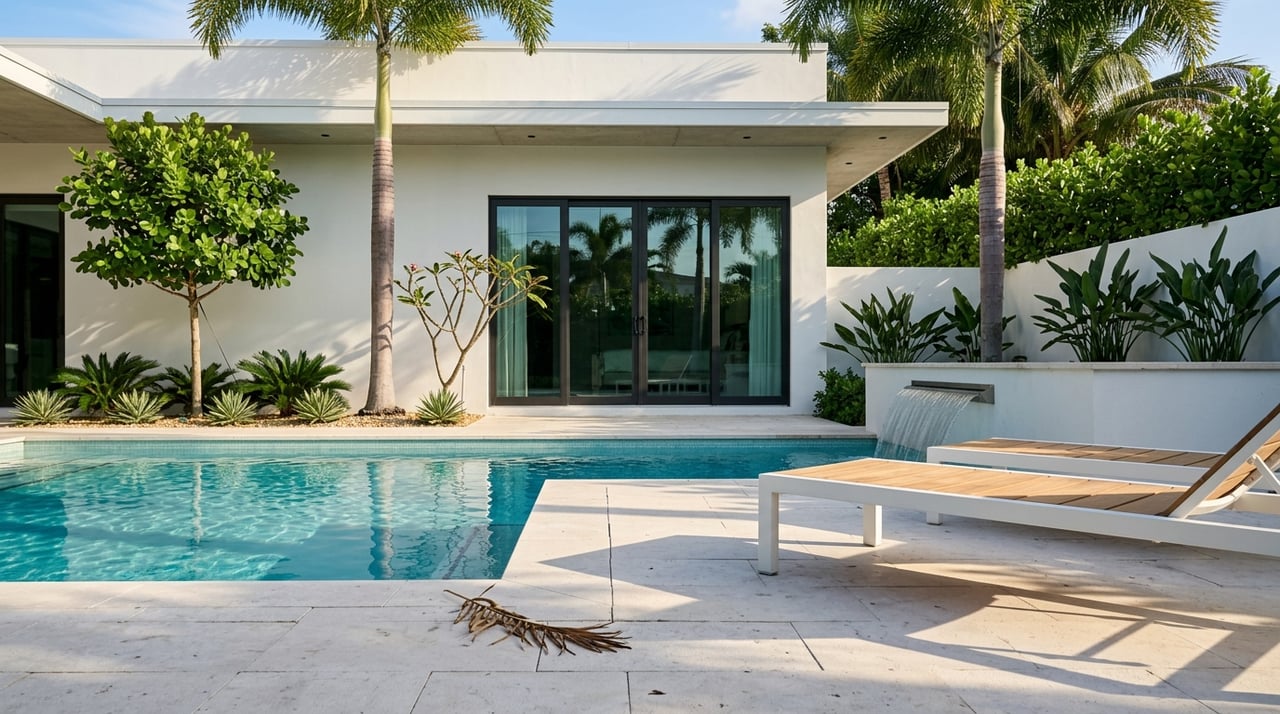
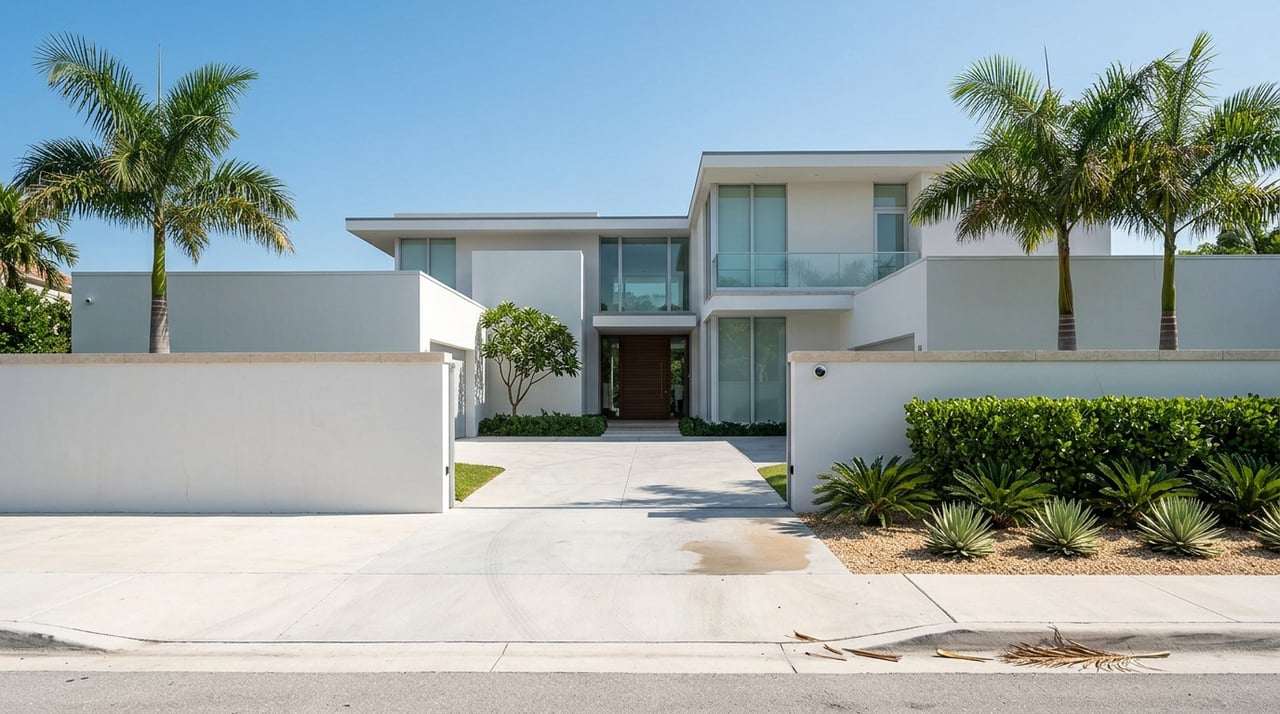
That means you may see ranch homes, island-style residences, contemporary builds, and other updated waterfront designs in the same community. For buyers, the result is a neighborhood with a broader range of architectural expression than many people expect from Coral Gables.
If you are shopping for a waterfront property in Gables by the Sea, the most important question is not simply whether a home sits on the water. The real question is how that parcel connects, or does not connect, to Biscayne Bay.
Miami-Dade County records state that some homes are on canals that are tidally connected to Biscayne Bay. Other homes, including properties in Section C referenced in county material, are west of earthen dams and are not tidally connected.
Those dams are part of a salt barrier system intended to reduce salt intrusion into the Biscayne Aquifer. For you as a buyer, that public-record distinction matters because it can affect how you interpret listing terms tied to boating and open-water access.
In many neighborhoods, buyers use “waterfront” as a catch-all term. In Gables by the Sea, that is not enough.
A waterfront lot may offer canal frontage, but the boating experience can vary significantly depending on the parcel’s canal connection. County records even note that a boat conveyor system was studied for the non-tidally connected pocket, which shows just how different one section can be from another.
That is why it helps to treat listing language carefully. Terms like “direct ocean access,” “open bay access,” and “no fixed bridges” should always be checked against the property’s actual route and canal configuration.
When you compare homes in Gables by the Sea, focus on details that affect real-world use, not just marketing language. Public listings in the neighborhood often highlight facts that can materially change a property’s value or fit.
Look closely at these listing details:
Recent public listings have featured around 100 to 110 feet of frontage, new seawalls, high-value dock improvements, and boat lifts rated up to 30,000 pounds. Those are not cosmetic details. They can directly affect whether a property works for your vessel and long-term maintenance goals.
Bridge clearance should never be treated as a neighborhood-wide label. It is a route-specific issue.
Coral Gables publishes bridge-clearance values for its waterways, including examples such as Blue Road at 7.5 feet and Old Cutler Road at 15 feet. The practical point is simple: you need to compare your boat’s air draft to the lowest clearance on the full route, not just the nearest bridge.
If a listing mentions access but does not explain the route, that is a cue to verify the details carefully. A waterfront home can still be a strong fit, but only if the navigation path works for how you plan to use it.
One of the interesting features of Gables by the Sea is that the lot pattern is fairly consistent in some parts of the waterfront core, yet there is still meaningful variation. Public listings have shown lots around 12,300 square feet, or about 0.28 acres, with roughly 100 to 110 feet of frontage.
Other properties have offered much larger dimensions, including waterfront parcels around 32,025 square feet with 250 feet of frontage. Homes.com has reported a median lot size of 12,632 square feet for the neighborhood.
For you, this means two homes in the same enclave can deliver very different waterfront experiences. Frontage, lot shape, and canal position can all change what the property feels like and how it functions.
Gables by the Sea is best understood in smaller sections rather than as one uniform plat. County materials indicate the neighborhood includes multiple recorded plats and sections, which helps explain why lot shapes and waterfront conditions can vary block by block.
Some streets are defined by canal-front homes and stronger privacy. Others include inland dry-lot homes, while some pockets feature redevelopment opportunities with extended water frontage.
That variation is part of what gives the neighborhood depth. It also means your search should stay highly specific, because the right fit often comes down to a very particular block, canal segment, or lot orientation.
In Gables by the Sea, the view is only part of the story. Waterfront ownership also means paying close attention to flood exposure, insurance, seawall condition, and ongoing property maintenance.
Coral Gables states that the city is susceptible to flooding from major rain events and storm surges. The city also notes that flood insurance rate maps are available online and that it actively monitors sea level impacts and resilience planning across its waterways.
That makes flood zone review and insurance pricing central parts of the buying decision. They should not be treated as afterthoughts once you are already under contract.
If you are considering a home in Gables by the Sea, a strong due diligence process should focus on a few specific questions.
Use this checklist as a starting point:
Miami-Dade County’s Property Search and property record card tools are useful public starting points for confirming address details, folio information, subdivision references, and other recorded parcel data. For a neighborhood like this, that level of verification matters.
Waterfront buying in Gables by the Sea is rarely just about square footage or finishes. It often involves parcel-specific questions, boating practicality, property-condition review, and a clear understanding of how one canal location differs from another.
That is why local micro-market knowledge can make such a difference. In a neighborhood where two water-facing homes may offer very different access profiles, careful review helps you avoid assumptions and focus on what truly matches your goals.
Whether you are looking for a private waterfront residence, a redevelopment opportunity, or a property that fits a specific boating lifestyle, a more precise search process can save time and reduce risk. If you want discreet, well-informed guidance on Gables by the Sea and the broader Coral Gables waterfront market, connect with Miami Brokers Group.
Stay up to date on the latest real estate trends.
Etiam non quam lacus suspendisse faucibus interdum. Orci ac auctor augue mauris augue neque. Bibendum at varius vel pharetra. Viverra orci sagittis eu volutpat.