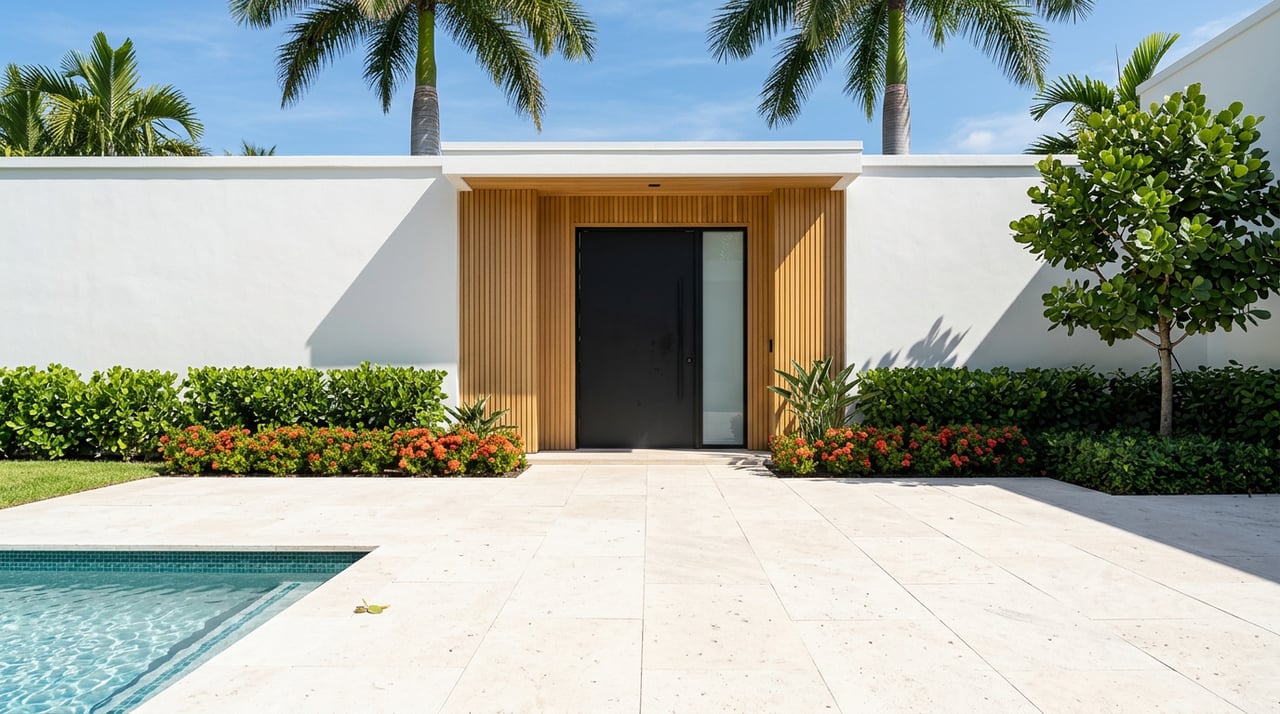
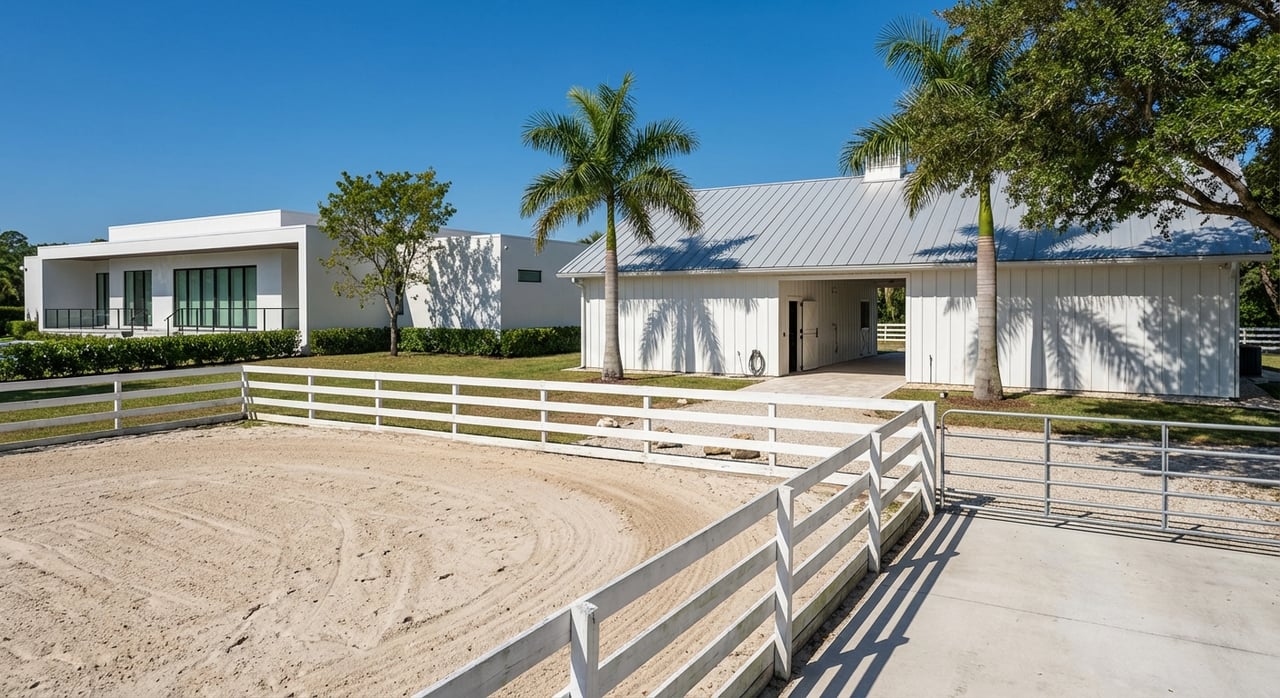
Thinking about an estate in Pinecrest and torn between buying now or building custom? You are not alone. In a village known for large lots, mature trees, and privacy, both choices can work well if you plan the timeline, budget, and permitting path. This guide lays out the trade-offs, key steps, and financing pathways so you can move forward with clarity and confidence. Let’s dive in.
Pinecrest at a glance
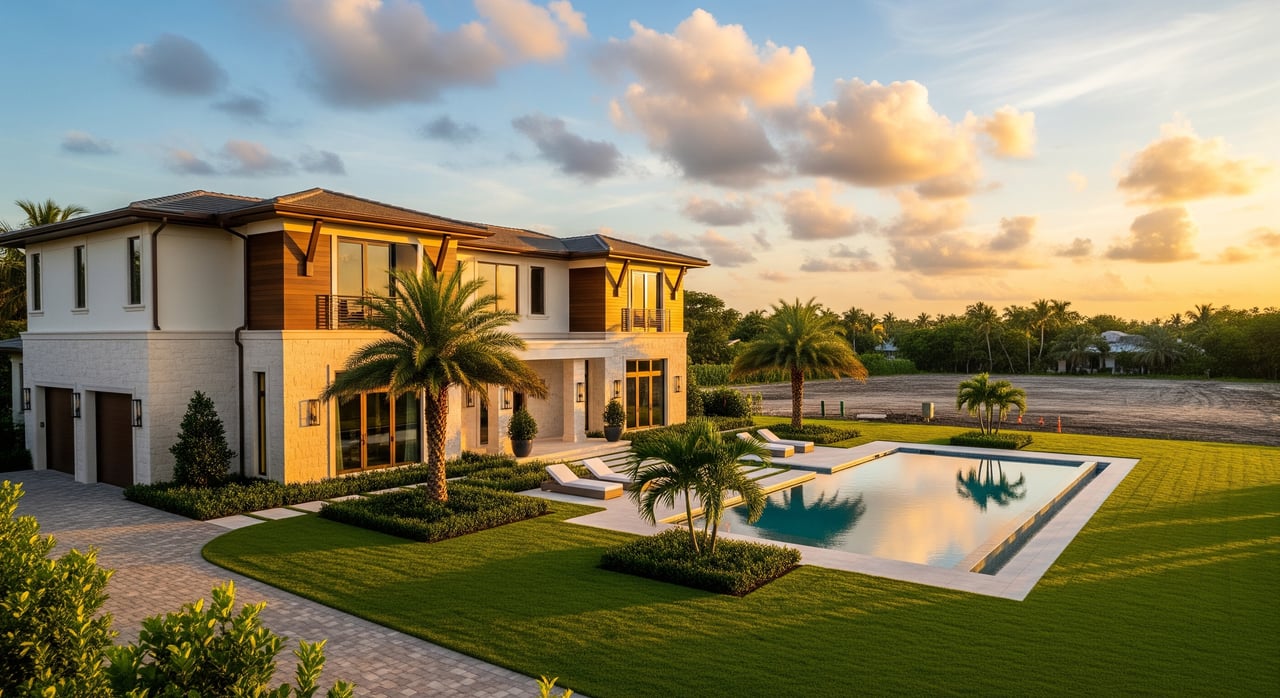
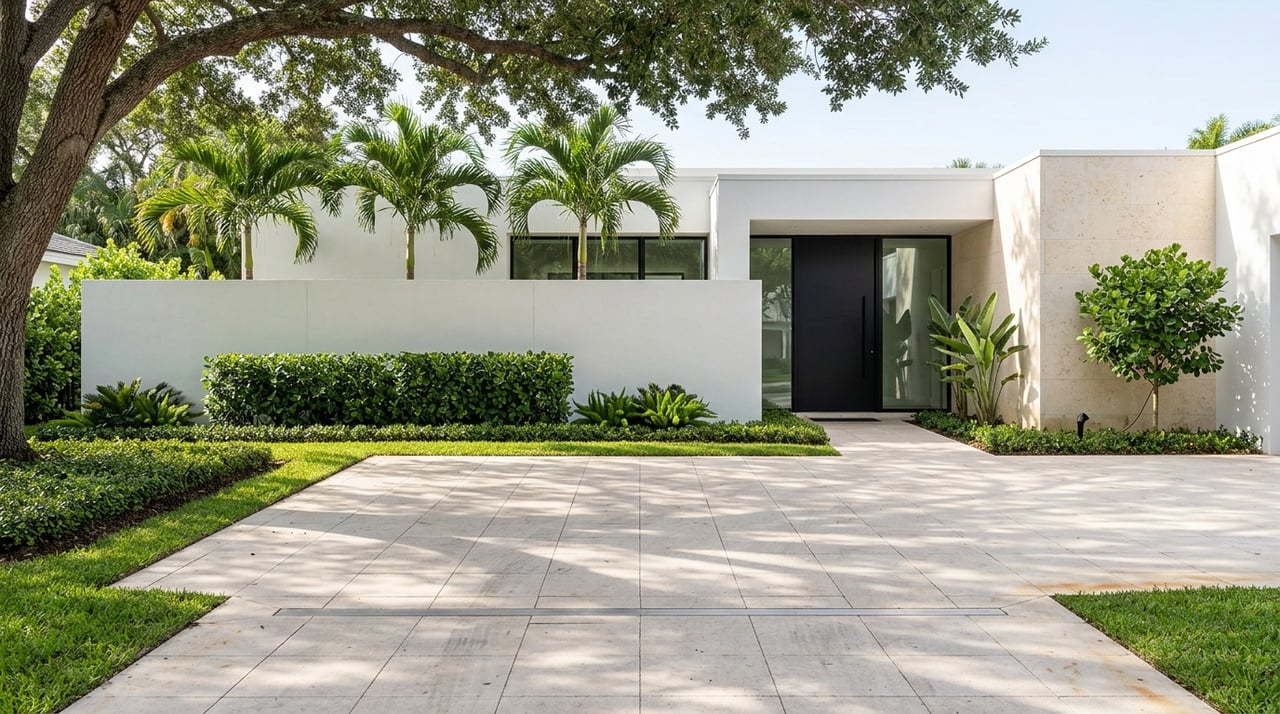
Pinecrest is a low-density village in Miami-Dade with many single-family estates on larger lots, often with mature canopy, pools, and long driveways. True turnkey estates are limited, so buyers often compete when a well-finished property hits the market. Large, developable lots are finite, which can add time and complexity if you want to assemble or secure the perfect site.
For many families, priorities include privacy, lot size, proximity to schools, and the ability to tailor living spaces. These factors shape whether buying an existing estate or building new is the right fit for you.
Option 1: Buy an existing estate
Timeline and speed
- Market search and offer: weeks to several months, depending on inventory and your wish list.
- Closing period: typically 30 to 90 days. Cash deals can close faster, financed transactions may take longer due to appraisal and underwriting.
- Move-in readiness: immediate if turn-key, or after any planned renovations.
Cost picture
- Core costs: purchase price and closing costs.
- Potential add-ons: renovations, landscaping adjustments, pool updates, and furniture.
- Ongoing: property taxes, insurance, and maintenance begin at closing.
Pros and cons
- Pros: speed to occupancy, known product, predictable total cost if you do not plan major renovations, and immediate fit within an established neighborhood setting.
- Cons: limited customization, potential compromises on layout or materials, and competition for the best properties.
Option 2: Build a custom estate
Timeline and permitting rhythm in Pinecrest
- Lot search and acquisition: 1 to 6 months or longer, especially for off-market sites or parcel assemblies.
- Design and approvals: 3 to 9 months or more, including architect plans, engineering, and municipal reviews.
- Construction: typically 12 to 24 months for a high-end custom estate. Larger or more complex builds can extend beyond 24 months.
- Total time from lot purchase to move-in: commonly 12 to 36 months.
Cost components you should expect
- Upfront: lot acquisition and due diligence.
- Soft costs: architectural design, engineering, permitting fees, and inspections.
- Hard costs: site work, foundation and structure, systems, finishes, pools, patios, and exterior hardscape.
- Site-specific items in Pinecrest: tree protection and mitigation, soil and drainage improvements, driveway and site access, utility relocations, and specialty structures.
- Carrying costs: interest during construction, insurance, property taxes, utilities, and contingency reserves of 5 to 15 percent or more.
Risks and how to manage them
- Permitting uncertainty: plan for multiple review cycles and corrections. Engage local architects and engineers to shorten review times.
- Tree and canopy rules: permits and mitigation may affect your building envelope. Inventory trees early and design around protected canopy where practical.
- Flood and elevation: foundation design and elevation standards can add cost. Plan for hurricane-rated materials that meet Florida Building Code and Miami-Dade wind standards.
Pros and cons
- Pros: full customization, modern systems and energy standards, and the opportunity to orient the home for light, privacy, and flow.
- Cons: longer timeline, construction and permitting risk, carrying costs, and the potential for budget changes during the build.
Permitting and site realities in Pinecrest
Municipal and county reviews
Most projects involve both village and county processes. Expect Village of Pinecrest planning or municipal staff to review site plans, tree removal requests, and variances. Building permits and plan reviews run through Miami-Dade County systems, along with specialized reviews for utilities and traffic as needed. Coordinating submissions is normal, and multiple rounds of reviewer comments are common.
Zoning, setbacks, and coverage
Single-family zoning controls setbacks, height, and lot coverage. Large or irregular lots can create both opportunities and added standards. Before you make an offer, request a zoning check or verification and consider a pre-application meeting to flag any constraints early.
Trees, canopy, and the landscape
Pinecrest emphasizes canopy preservation. Removing mature trees often requires permits and mitigation through replacement or fees. If you value mature landscaping, you will want a detailed tree inventory and a design approach that protects key specimens while meeting your build program.
Flood, elevation, and storm standards
Flood zone designations influence required elevation, foundation design, and whether your lender will require flood insurance. New homes must meet strict wind and hurricane protection standards, including impact-rated openings and structural tie-downs. These requirements improve resilience and can add to your construction budget.
Pools, seawalls, and specialty permits
Pools, patios, and exterior hardscape require separate permits and inspections. Waterfront-adjacent properties may need specialized engineering and county or state approvals for seawalls or shoreline work.
Common delay points and how to avoid them
- Plan review corrections and resubmissions.
- Tree mitigation conditions affecting your site plan.
- Utility coordination for sewer, water, and stormwater.
- Neighbor input on variances when applicable.
- Environmental and hydrology questions on drainage and elevation.
Early feasibility work, local design teams, and experienced permit expediters can shorten cycles and reduce change orders.
Financing pathways for affluent buyers
Your core options
- Purchase mortgages for finished estates: larger loan sizes with conventional jumbo underwriting.
- Construction loans: interest-only during construction with draws tied to inspections. You refinance or convert to permanent financing upon completion.
- Construction-to-permanent loans: a single closing that transitions from construction phase to a long-term mortgage.
- Lot or land loans: used to acquire land or improved lots, typically with lower loan-to-value ratios and higher rates.
- Bridge financing: short-term funding to secure a lot or buy a home while you build or arrange long-term financing.
What lenders typically require
- Equity and reserves: substantial owner equity for custom projects and conservative loan-to-cost ratios.
- Documented budgets and contracts: clear builder contracts and detailed budgets that include contingency of at least 5 to 15 percent.
- Draw schedules and inspections: progress draws released after inspections, plus interest and lender fees to plan for.
- Insurance and title: builder’s risk, windstorm, flood where required, and title insurance.
How MBG aligns your plan
Miami Brokers Group pairs high-touch brokerage with in-house mortgage expertise through MBG Capital Partners. That means you can plan your acquisition and financing strategy under one roof. You get early feasibility input, coordinated pre-qualification to strengthen offers, and introductions to lenders whose products match your timeline, whether you are buying turn-key or preparing a custom build. The team’s local network helps you vet architects, engineers, builders, and permit expediters with Pinecrest experience, which can reduce delays and lower change-order risk.
Decision framework and checklists
Pre-decision checklist
- Define must-haves: lot size, privacy, canopy, and proximity to the places you frequent.
- Set your timeline: do you need to move within months, or can you wait 12 to 36 months for a custom build?
- Choose your experience: do you enjoy project management and design, or prefer turn-key living?
- Build a total budget: include land, design, permitting, construction, contingency, and carrying costs.
- Confirm zoning: request a pre-application or feasibility check with village planning staff.
- Price the build: obtain high-level estimates from two to three reputable local builders.
- Explore financing: discuss jumbo purchase loans, construction or construction-to-perm options, and short-term solutions with your financing advisor.
If you are leaning to build
- Negotiate a lot contract with feasibility and permitting contingencies.
- Order a boundary and topographic survey, soil or geotechnical report, and a full tree inventory.
- Engage a local architect and civil or structural engineer with Pinecrest experience.
- Verify utilities and plan drainage, including any upgrades for water, sewer, and stormwater.
- Budget for hurricane-rated systems, elevated foundations if required, and potential flood mitigation.
If you are leaning to buy
- Complete thorough inspections, including pool, roof, electrical, HVAC, and a termite report.
- Confirm past permits and any open items, and review a current survey.
- Assess the landscape and trees for future maintenance or mitigation needs.
- Price insurance early, including wind and flood if applicable.
- If you plan near-term renovations, include a contingency window and budget.
Pinecrest scenarios: which path fits you
- Buy for speed: you want to be settled within months, prefer a known product, and value a predictable cost. You are open to light renovation if needed.
- Build for control: you want full customization, modern systems, and a layout tailored to your lifestyle, and you can commit to a 12 to 36 month timeline.
- Land-first strategy: you have a long horizon and want a unique site. You will secure the right lot now and phase design and construction with a strong contingency plan.
- Privacy and canopy priority: you value mature trees and deep setbacks. You will use early tree and site studies to protect key features while shaping your build envelope.
Next steps with MBG
If Pinecrest is your target, the right partner helps you move fast while protecting your upside. Miami Brokers Group combines neighborhood expertise with in-house mortgage insight to source on and off-market estates, evaluate lots, and streamline your financing strategy. The team can coordinate early zoning and feasibility checks, introduce proven local design and permitting professionals, and structure a clear plan for either a turnkey purchase or a custom build.
When you are ready, request a private consultation to map your move and secure the right property at the right terms.
Miami Brokers Group
FAQs
How long do Pinecrest permits take for a custom home?
- Complex projects often require several months due to multiple reviews and corrections. A pre-application check with village staff and using local design teams can reduce uncertainty.
Do I need flood insurance for a Pinecrest estate?
- It depends on your FEMA flood zone and lender requirements. Verify your zone and elevation early to understand design standards and insurance needs.
Can I remove mature trees to build in Pinecrest?
- Tree removal usually needs a permit and mitigation through replacement or fees. A tree inventory early in design helps you plan the building envelope.
Is it cheaper to buy or build in Pinecrest?
- There is no universal answer. Building offers customization but adds time and construction risk, while buying turnkey may command a premium with lower short-term risk.
What financing works for a custom build?
- Many buyers use construction or construction-to-permanent loans, sometimes paired with a lot loan or bridge financing. Expect equity, draw inspections, and contingency reserves.
How much contingency should I plan for when building?
- Plan for at least 5 to 15 percent above your construction budget, plus reserves for interest, insurance, and potential site-specific issues like drainage or tree mitigation.