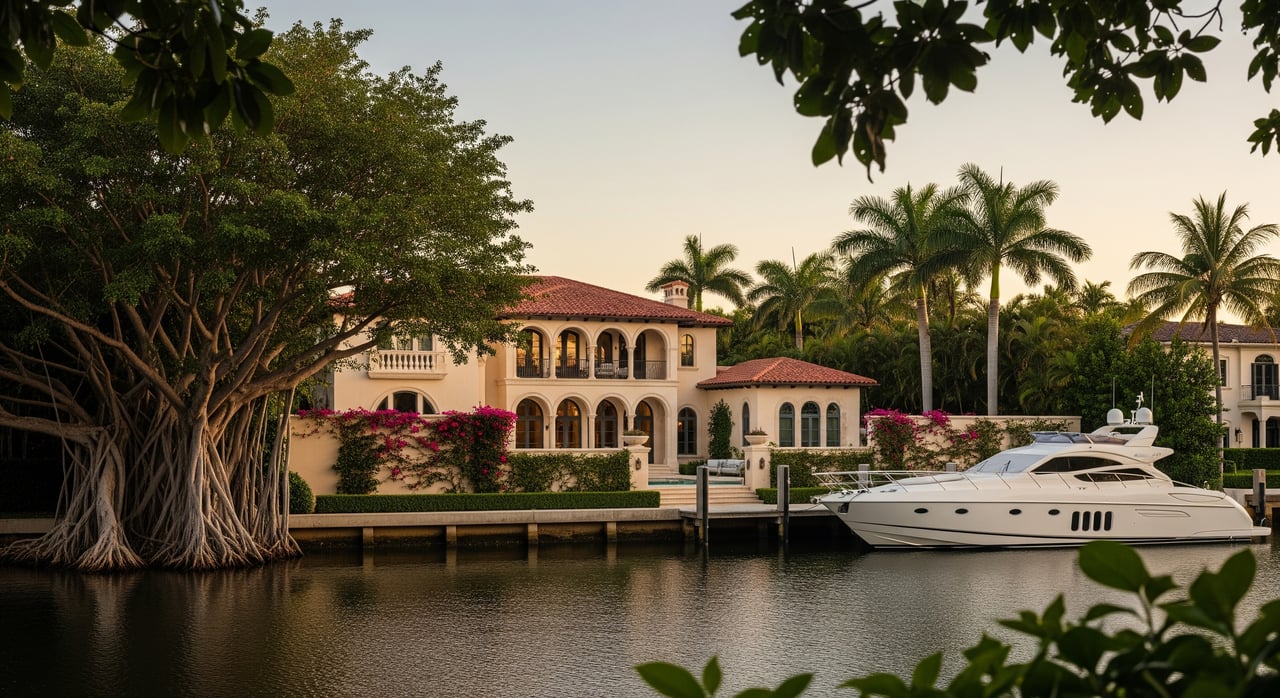
Gables Estates Buyer Guide for Discreet Waterfront Living
November 21, 2025
November 21, 2025
Looking for a waterfront estate where your name stays private and your yacht sits steps from your door? In Gables Estates, discretion is the norm and deepwater access is the calling card. If you want privacy, security, and a large building envelope in Coral Gables, this guide breaks down what matters most, from sourcing off‑market opportunities to the inspections that protect your investment. Let’s dive in.
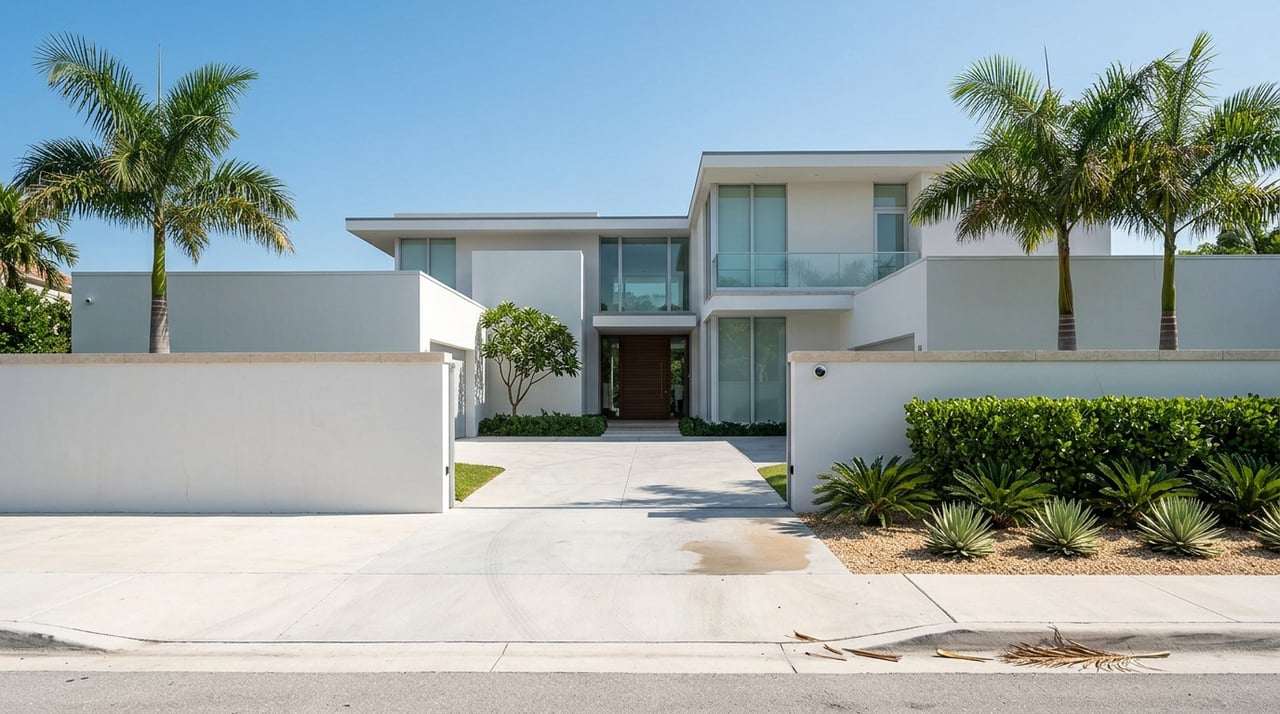
Gables Estates is an ultra‑luxury, guard‑gated enclave on Biscayne Bay within the City of Coral Gables. You will find large lots, private docks with deepwater access, and controlled entry that favors privacy and security. Inventory is limited and turnover is infrequent, so many transactions happen quietly through private networks.
If you value boating, privacy, and proximity to Coral Gables dining, golf, and schools, this neighborhood fits the brief. Buyers use estates here for primary living, second homes, and long‑term holdings that prioritize security and discretion.
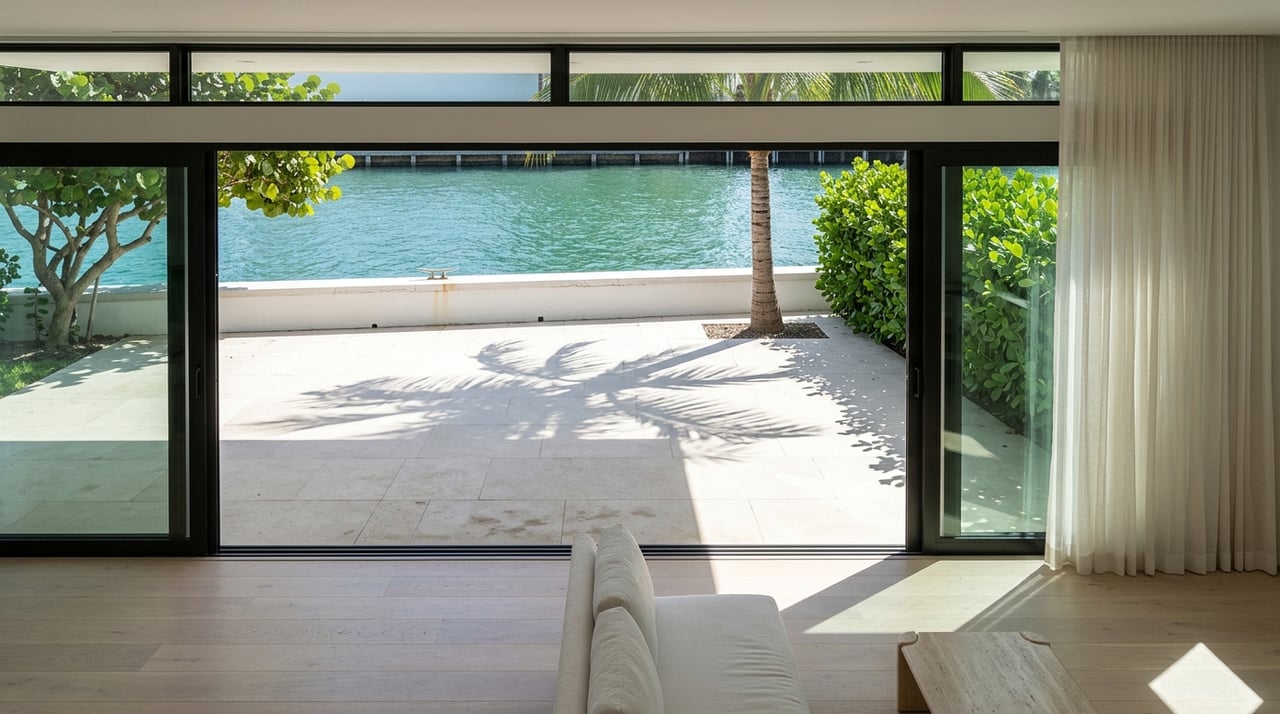
Water depth and dock capacity are core value drivers. Many homes front the bay or protected canals and include bulkheads and deepwater docks suitable for large yachts. Confirm who owns and maintains the seawall, dock, and any riparian rights, since condition and permitting history affect both value and near‑term capital needs.
Lot size and shape, setbacks, and landscaping influence privacy and buildable area. A wider waterfront and longer dock can materially change functionality, especially for larger vessels.
Properties fall under the City of Coral Gables. Standard single‑family rules apply, including setbacks, height, coverage, and floor area limits. Significant remodels, demolitions, or new construction go through city permitting and design review. You should plan for review time and potential neighborhood input when budgeting and sequencing construction.
If you intend to rebuild or expand, confirm the likely permit path early and build realistic timelines into your overall acquisition plan.
Gables Estates sits at low elevation near Biscayne Bay, so FEMA flood zones, storm surge, and long‑term sea‑level rise are relevant. Lenders often require flood insurance through NFIP or private carriers. Review any existing FEMA elevation certificates and insurance claim history.
Seawall condition and elevation are critical. Repairs or replacement can be costly and may trigger permitting requirements. A marine or structural engineer should evaluate bulkheads, cap, tie‑backs, and docks before you finalize terms.
Expect private streets, guard gates, and controlled guest protocols. Many properties are governed by associations with recorded covenants and architectural guidelines. Review current CCRs, assessment amounts, reserve funding, and any restrictions on rentals or exterior changes. Security staffing, gate operations, and association fees are part of ongoing ownership costs.
Because owners value privacy and supply is tight, many opportunities never hit the open market. Off‑market listings are shared through trusted relationships and controlled introductions. You will likely sign an NDA, provide proof of funds, and use a special‑purpose LLC or trust for anonymity. Expect limited circulation of photos and confidential showings.
Miami Brokers Group pairs boutique brokerage with in‑house lending expertise through MBG Capital Partners, which helps you access private inventory and structure complex or cross‑border purchases without sacrificing discretion.
Cash is common at this level, though financing is available. If you finance, expect lender focus on appraisal adjustments for waterfront depth, insurability, and environmental factors.
Protect your position during the inspection window with a targeted scope:
Build in enough time to complete these items without compromising leverage.
Values in Gables Estates hinge on unique attributes, so comparable sales require careful adjustments. Focus on:
Scarcity and privacy typically sustain a premium compared with non‑gated waterfront areas nearby.
At closing, expect customary items such as title insurance, recording fees, escrow charges, and documentary stamp taxes. Property taxes are assessed by Miami‑Dade County and vary by parcel. Non‑U.S. buyers should discuss tax filings and potential future withholding with a qualified advisor.
For ongoing ownership, budget for HOA or community assessments, security and gate operations, flood and wind insurance, landscaping, utilities, property management, and staffing if needed. Seawall and dock maintenance can be significant, so set aside reserves for marine upkeep.
Insurance feasibility, careful inspections, and local counsel help reduce surprises.
Use this checklist to move efficiently and privately:
Recommended advisor bench: a Florida real estate attorney, title and escrow company experienced with high‑value closings, marine and structural engineers, surveyor, insurance broker focused on Florida coastal risk, tax advisor, architect and landscape architect familiar with Coral Gables, and a property manager or security consultant.
If privacy, deepwater access, and long‑term value are your priorities, align early with a team that can access off‑market listings and solve financing in one place. For a private, end‑to‑end experience from scouting to closing, connect with Miami Brokers Group. Request a private valuation & consultation.
Stay up to date on the latest real estate trends.
Etiam non quam lacus suspendisse faucibus interdum. Orci ac auctor augue mauris augue neque. Bibendum at varius vel pharetra. Viverra orci sagittis eu volutpat.