Pinecrest vs Palmetto Bay Real Estate: Estate Market Guide
February 5, 2026
February 5, 2026
Trying to choose between Pinecrest and Palmetto Bay for your next estate home? You want space, privacy, and smart long‑term value, but you also care about commutes, schools, and lifestyle. In this guide, you’ll get a clear, side‑by‑side view of lot size and build options, flood and insurance factors, family amenities, and daily logistics so you can buy with confidence. Let’s dive in.
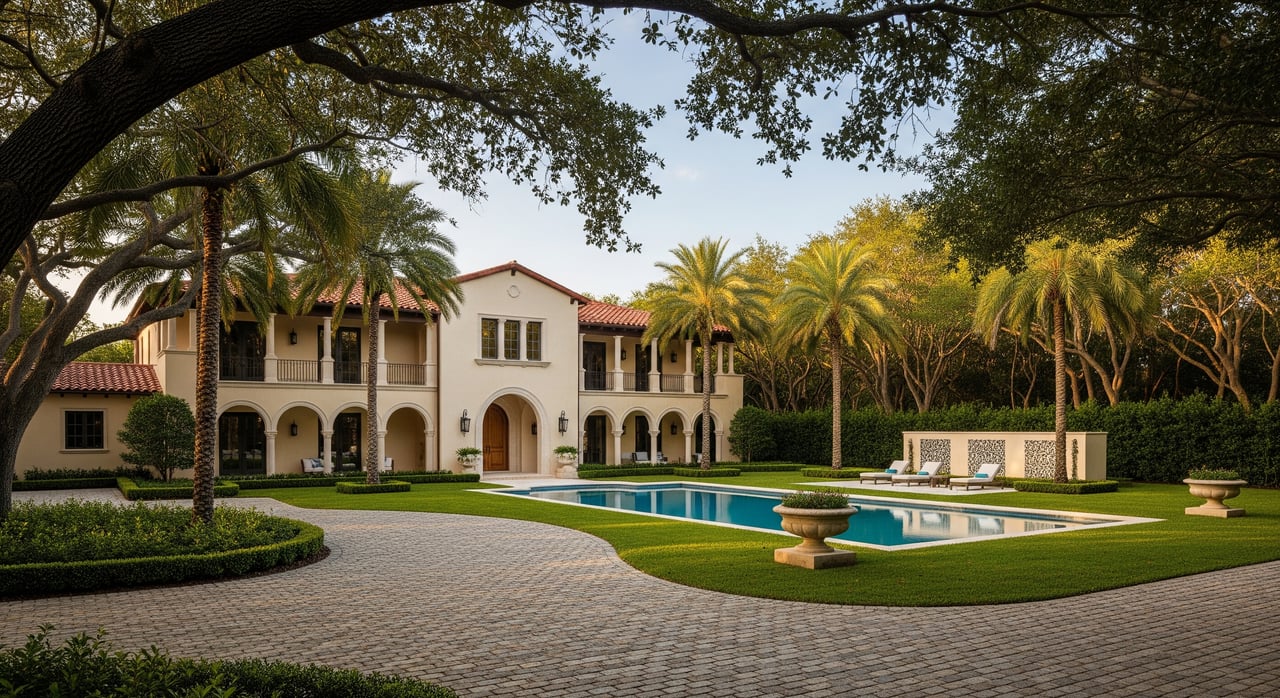
Both communities are sought after, yet they feel different once you step onto the lots.
If your top priority is lot size, privacy, and room for pools or guesthouses, Pinecrest often sits at the top of the list. If you want a mix of price points with stronger access to the bay and marinas, Palmetto Bay gives you more variety.
Estate purchases in both villages often hinge on what you can build and how you can live on the land.
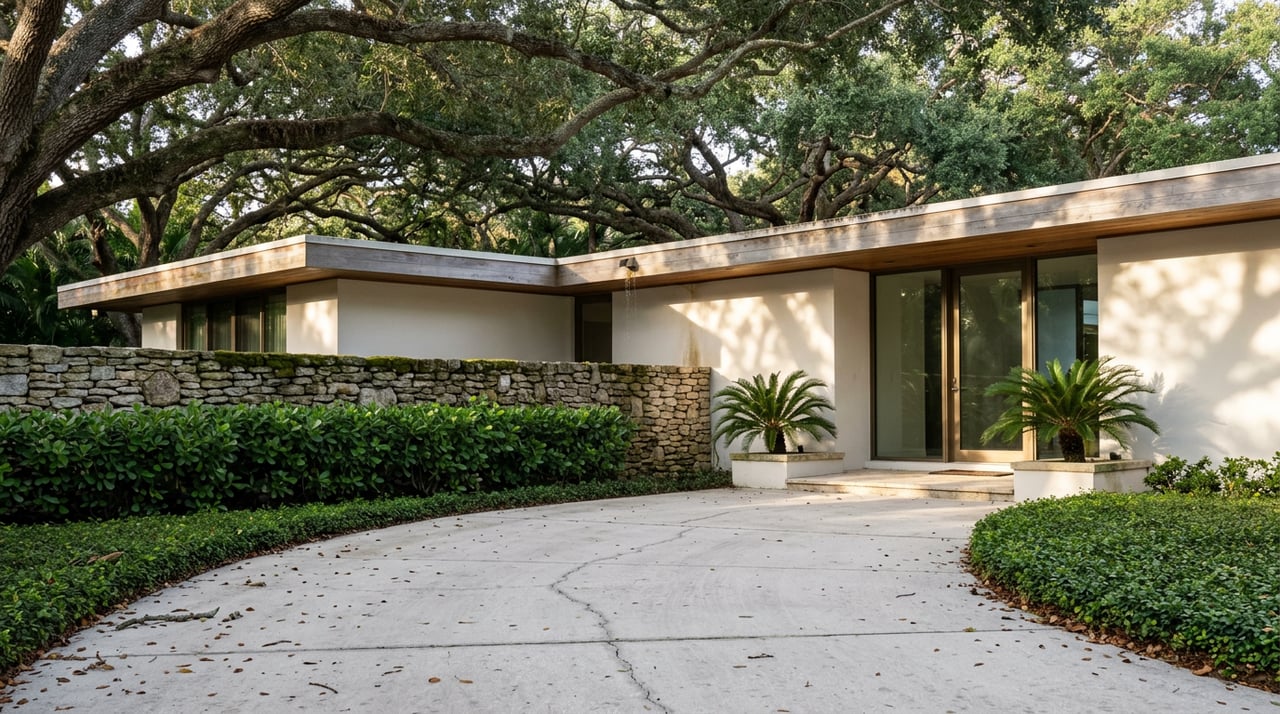
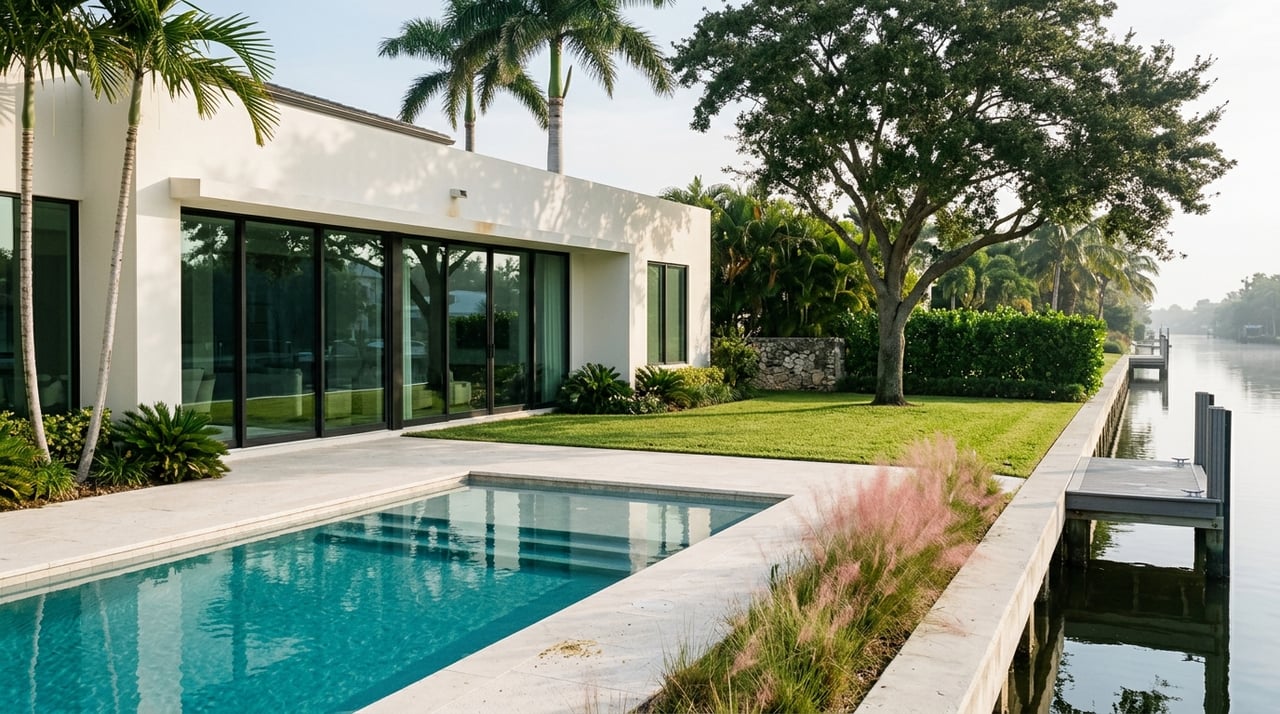
The shape of the lot matters. Deep bayfront parcels may favor linear pool and lawn layouts, while wide inland parcels can support guesthouses, pavilions, and courts, subject to village rules.
Both villages apply their land‑development regulations in addition to Miami‑Dade County zoning. These rules cover minimum lot sizes, setbacks, lot coverage, tree protections, accessory structures, pool placement, and site plan requirements. Subdivisions and historic parcels may carry added restrictions.
For major remodels or new builds, expect site plan review and potential permits for tree removal, stormwater retention, and conformance with architectural or landscape standards.
Bottom line: true estate parcels are scarce. If you need more than half an acre, plan for a focused search and potential competition.
Both areas give you easy access to high‑end retail, dining, and services in Coral Gables and Coconut Grove. The day‑to‑day feel, however, differs.
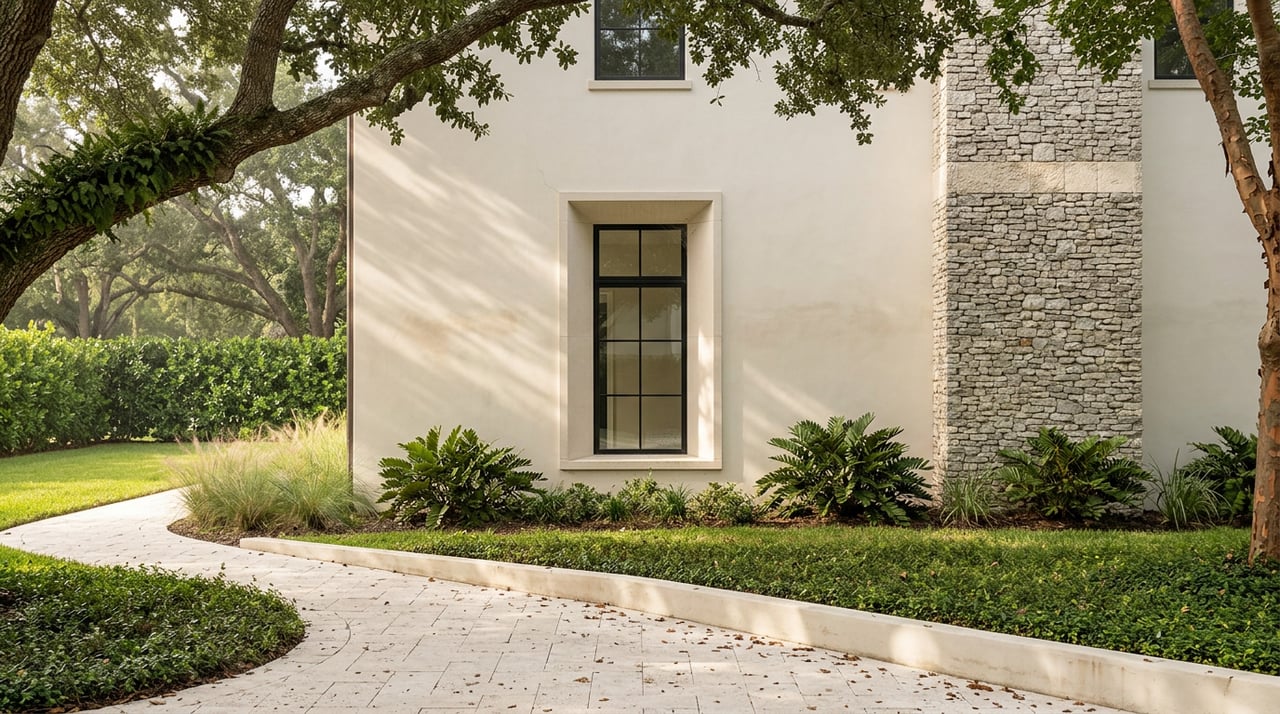
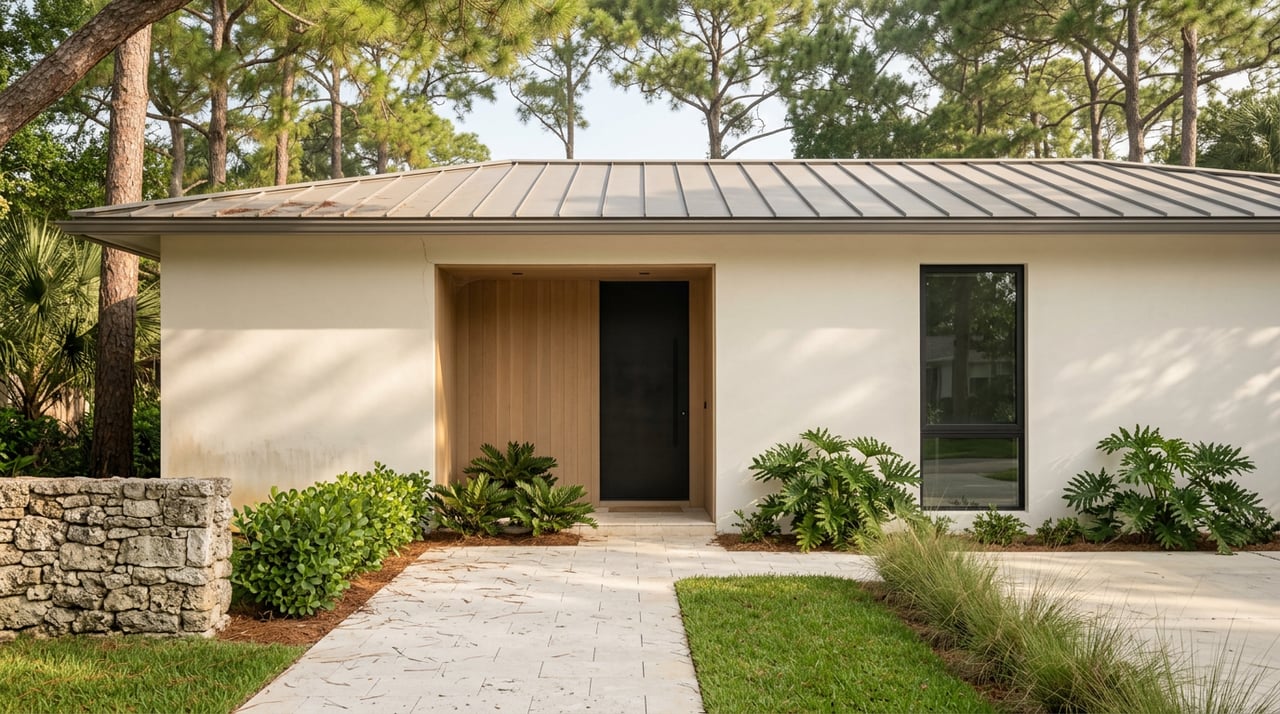
Pinecrest emphasizes large private yards, pools, and privacy behind mature landscaping. Village parks and cultural programming support family activities and community events. Many buyers value the quiet environment and the ability to create a self‑contained estate compound.
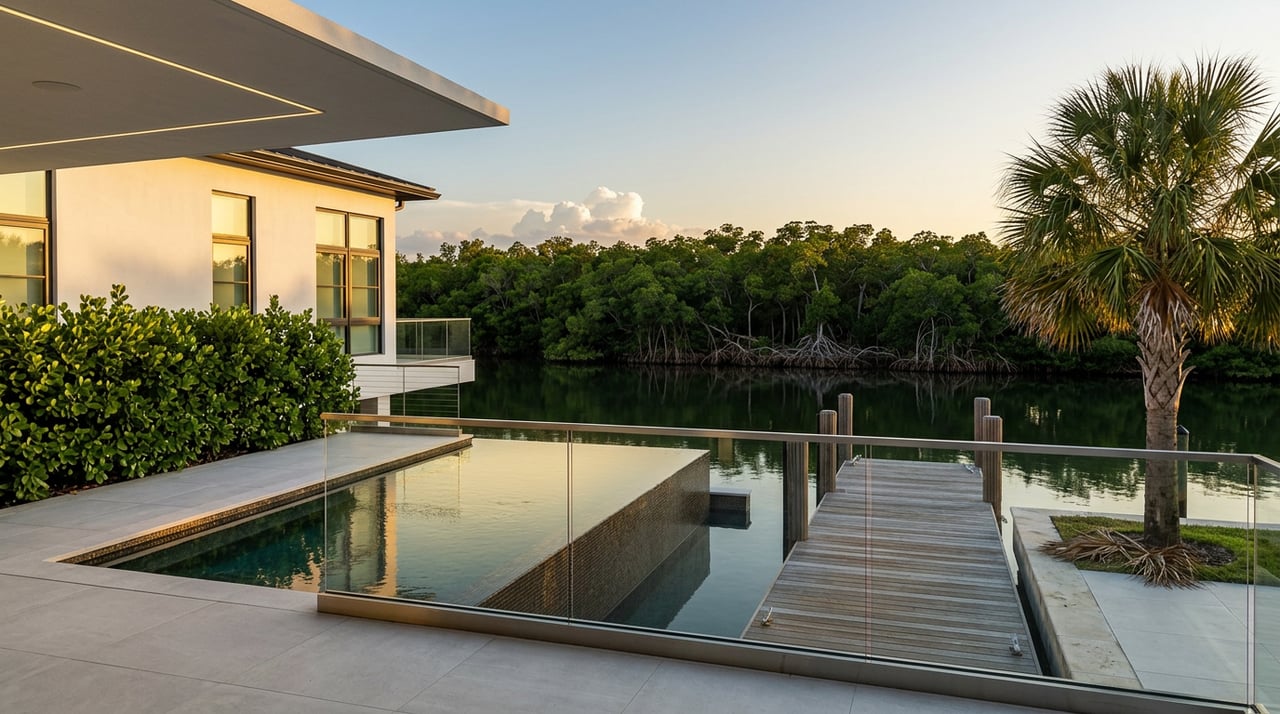
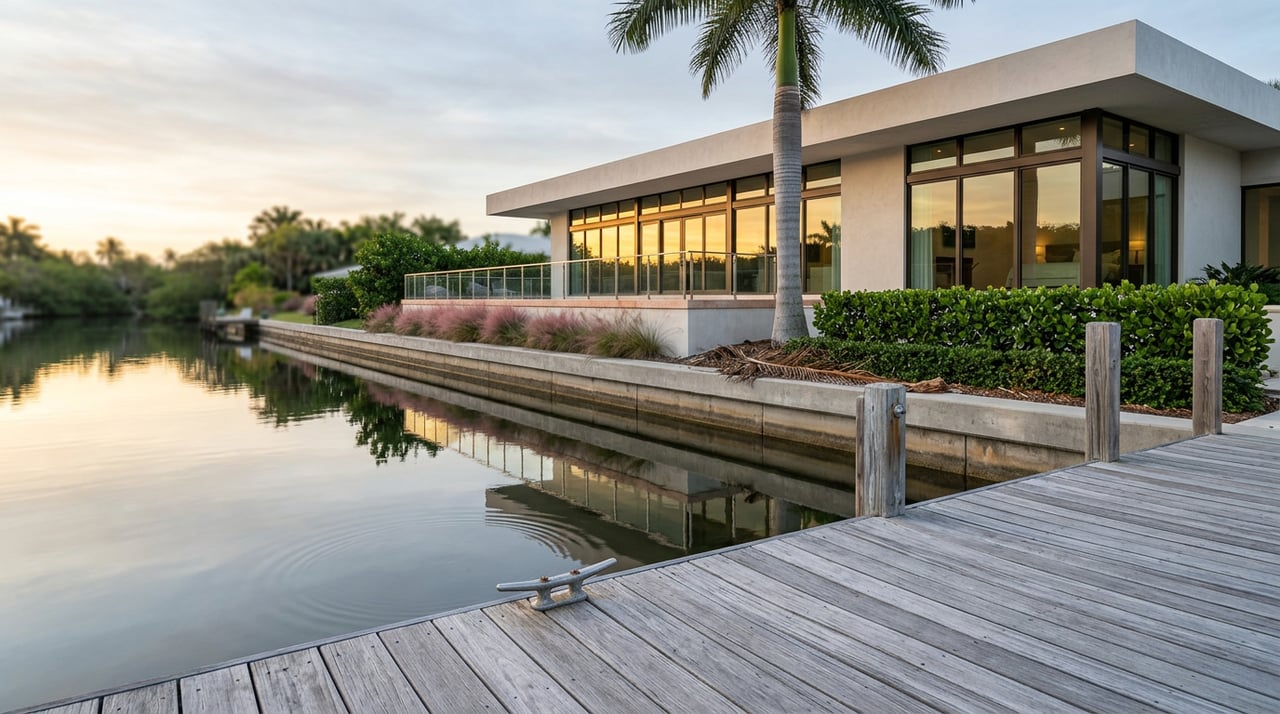
Palmetto Bay leans into its waterfront setting. Parks, kayak and canoe launches, marinas, and trails are a major draw if you prioritize time on the water. The village has a small‑town feel while still offering quick access to larger shopping nodes nearby.
Both communities are served by Miami‑Dade County Public Schools. School assignments depend on your exact address and can change over time. If public school access is important, confirm current attendance zones using the district’s official boundary lookup and visit schools directly.
The area is proximate to several well‑known private and church‑affiliated schools within a typical 15 to 30 minute drive. Admission cycles can be competitive. Plan ahead for application deadlines, testing windows, and transportation options, including private shuttles and carpool routes.
Tip: If school choice is central to your search, align your touring schedule with admissions timelines and ask about after‑school care, daycare openings, and summer programs in both villages.
US‑1, Old Cutler Road, and local collectors connect both villages to the Palmetto Expressway, SR 874, and State Road 836. Florida’s Turnpike and I‑95 are reachable within a 20 to 45 minute drive, depending on traffic and origin.
Pinecrest offers relatively direct access to Coral Gables, Coconut Grove, and the University‑to‑Brickell corridors. Palmetto Bay can provide quicker routes to coastal destinations like Key Biscayne in some cases.
Expect commute times to central Miami and Brickell to swing from roughly 20 to more than 50 minutes based on time of day. Most affluent buyers rely on private vehicles. Rideshare, school buses, and private shuttles are common for student commutes.
Pro tip: Map your intended routes during morning and afternoon peaks and on weekends. Consider secondary routes when comparing specific streets and neighborhoods.
Palmetto Bay includes bayfront and low‑lying coastal parcels that face higher exposure to FEMA flood zones, storm surge, and long‑term sea‑level rise. Pinecrest sits inland at generally higher elevations, which reduces coastal surge exposure but does not eliminate local flooding risk from heavy rain or high tides.
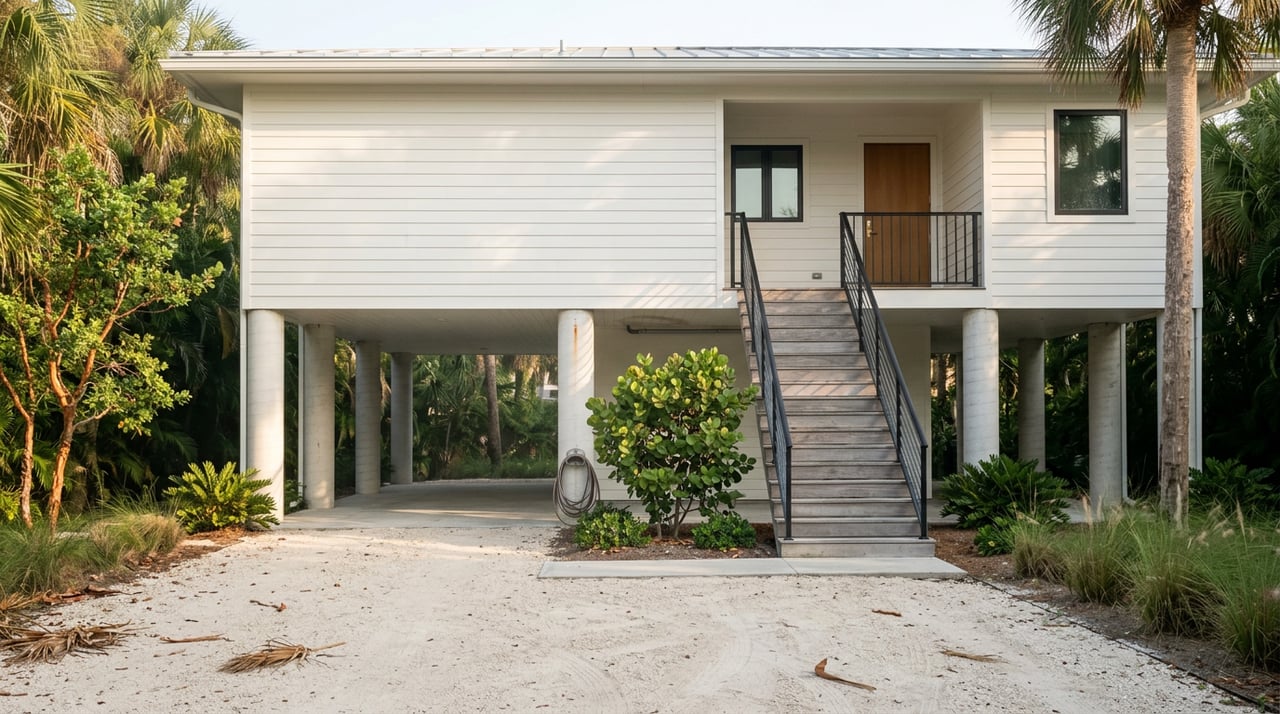
Flood insurance pricing and lender requirements vary by flood zone and elevation. For rebuilds or expansions, you may need stormwater mitigation, elevated finished floor levels, and floodplain development permits. Waterfront living usually carries higher insurance and resilience upgrades, while inland parcels may benefit from lower coastal exposure and more manageable premiums.
Pinecrest typically commands a premium for comparable homes and lot sizes. Scarcity of large estate parcels, mature canopy, and long‑standing prestige contribute to higher prices. Palmetto Bay offers broader variety, including potential value plays for waterfront access on smaller lots and a range of suburban parcels.
Either way, align your choice with how you live. If you spend weekends boating or paddling, Palmetto Bay’s waterfront lifestyle may win. If you host large gatherings and value mature trees and space for amenities, Pinecrest tends to deliver.
Use this checklist to protect value and keep your options open after closing:
High‑value estate decisions benefit from integrated advisory. With boutique brokerage and in‑house lending expertise, you get strategy, sourcing, and financing under one roof.
You deserve a purchase that fits your life today and protects value long term. When you are ready to compare specific streets, analyze flood and insurance impacts, or structure a competitive, finance‑ready offer, we are here to help. Request a private valuation and consultation with Miami Brokers Group.
Stay up to date on the latest real estate trends.
Etiam non quam lacus suspendisse faucibus interdum. Orci ac auctor augue mauris augue neque. Bibendum at varius vel pharetra. Viverra orci sagittis eu volutpat.