Coconut Grove Architecture Styles Every Buyer Should Know
December 4, 2025
December 4, 2025
Shopping for a home in Coconut Grove comes with a unique choice: which architectural style fits your life and long‑term goals. With tree‑canopied streets, bayfront lots, and a deep architectural history, the Grove showcases everything from classic bungalows to sleek Tropical Modern estates. You want beauty, but you also want a home that performs in Miami’s climate and holds value. In this guide, you’ll compare the four most common styles you’ll see and learn what each means for maintenance, day‑to‑day living, and resale potential. Let’s dive in.
Coconut Grove is one of Miami’s oldest neighborhoods, and its winding streets and lush canopy shape how homes look and live. Many properties date to the early 20th century, while others reflect mid‑century ideas or today’s modern, indoor‑outdoor mindset. Style is more than a look here. Materials, roof types, window systems, and site planning all affect upkeep, comfort, and insurance.
Parts of the Grove include historically significant properties and local overlays. If a home sits in a designated historic district, exterior changes and demolitions often require additional review and permitting. The climate also matters. Local traditions like deep porches, broad overhangs, cross‑ventilation, and shaded outdoor rooms exist for a reason, and they can improve livability while managing heat and humidity.
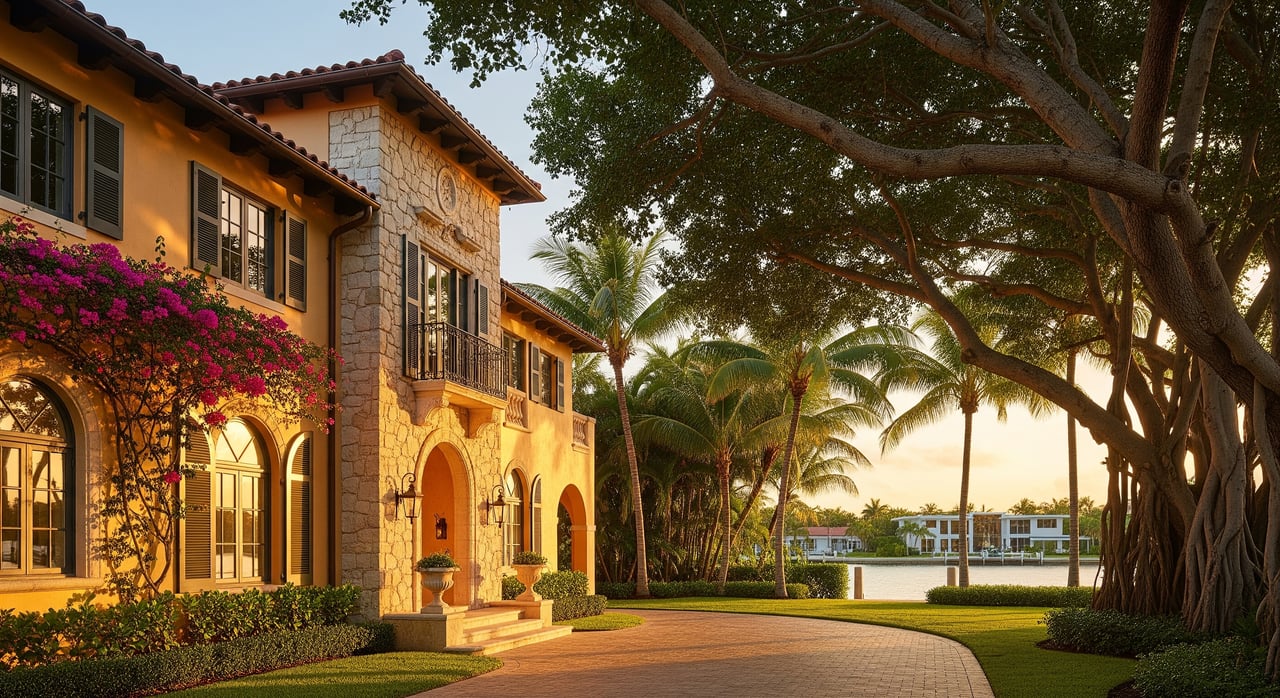
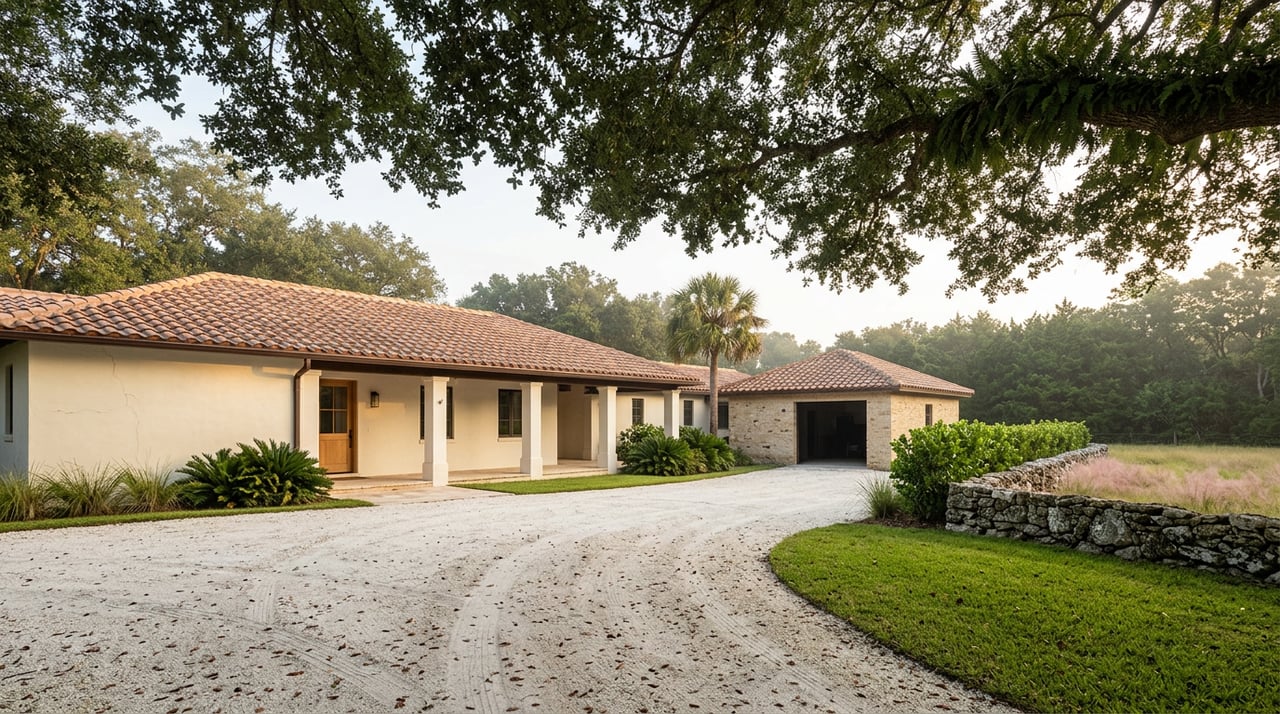
What defines it: Stucco walls, red clay or concrete tile roofs, arched openings, wrought‑iron details, heavy wood doors, and courtyards with decorative tile. These homes often have formal street presence and can sit on larger or bayfront lots.
Maintenance to plan for:
How it lives day to day: Thick walls and tile roofs can feel cooler and more stable in Miami heat. Courtyards and shaded loggias are excellent for outdoor living. Interiors can be compartmentalized, so if you want an open plan, expect renovation.
Resale and renovation outlook: Well‑maintained Mediterranean homes tend to hold strong appeal in the Grove, especially with larger lots. If the property is historically designated, that status can support value but may limit exterior changes. Always confirm permitting requirements before planning updates.
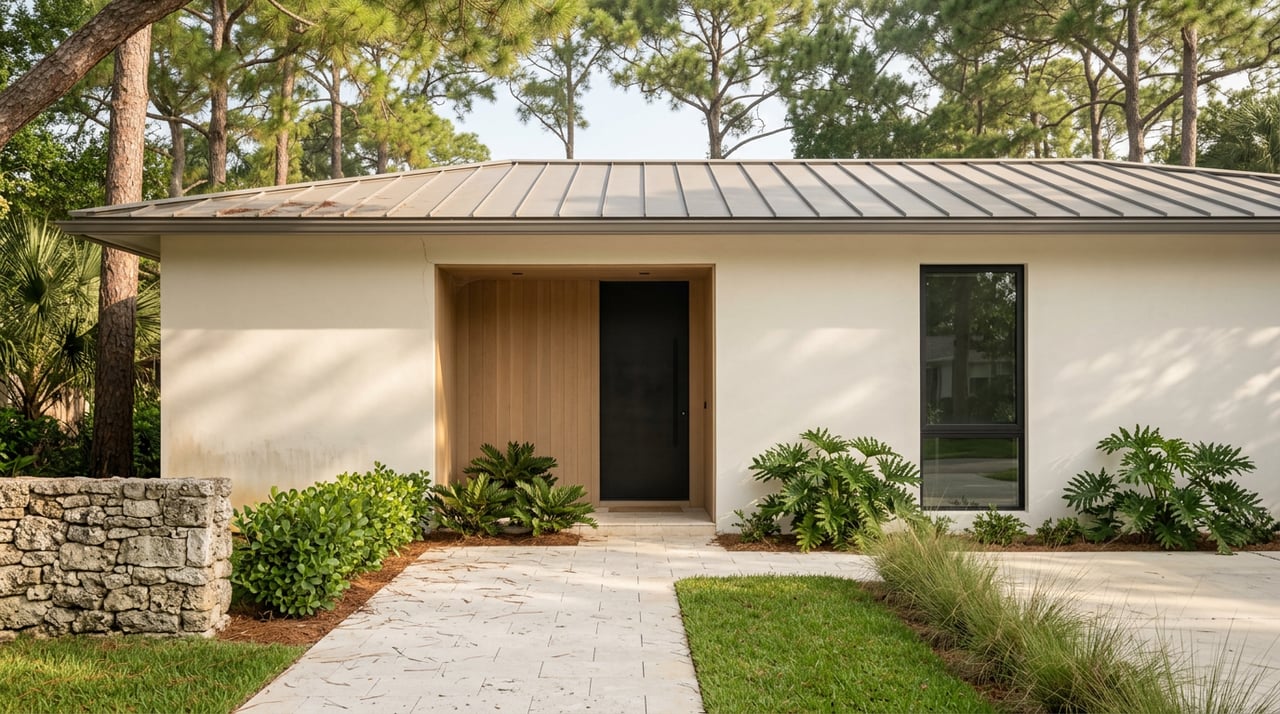
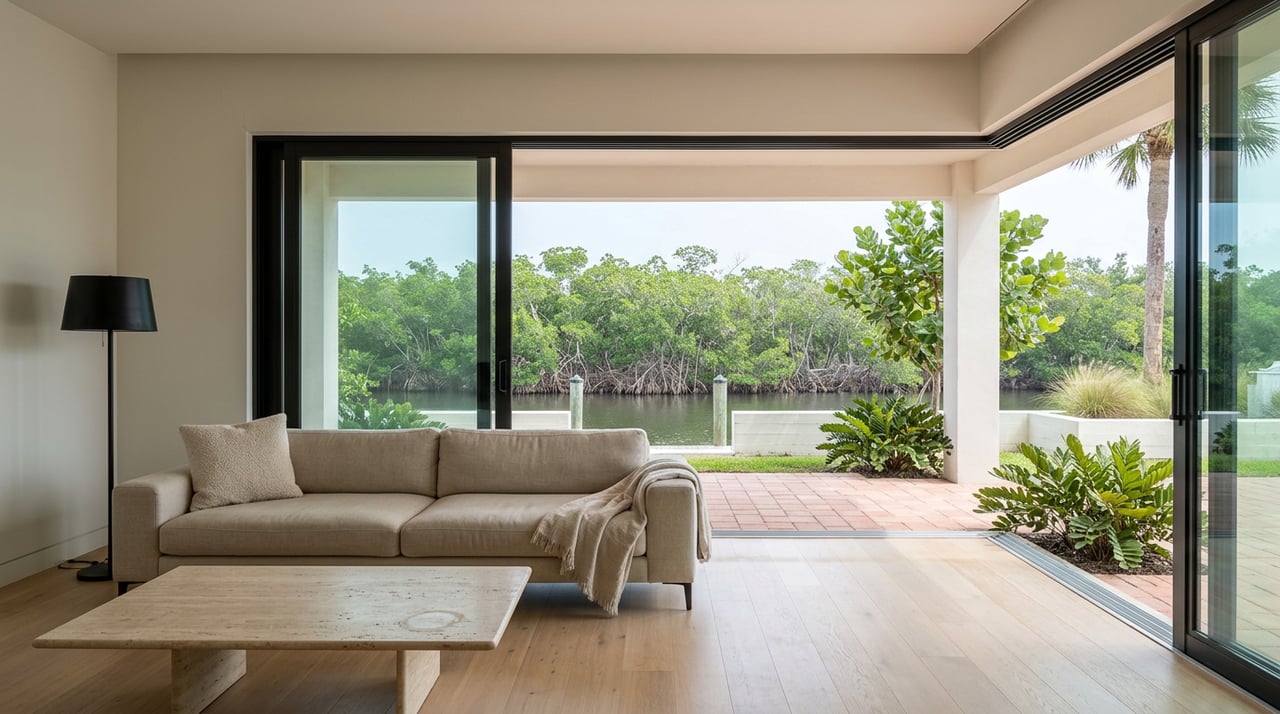
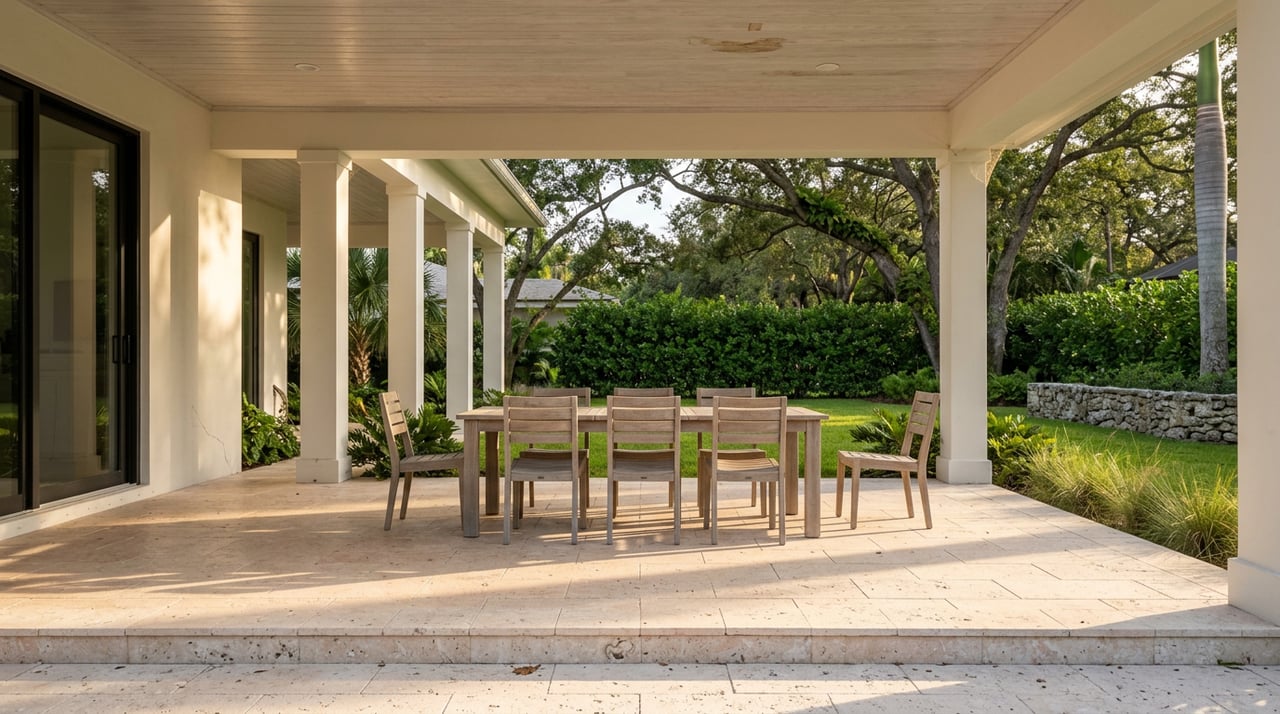
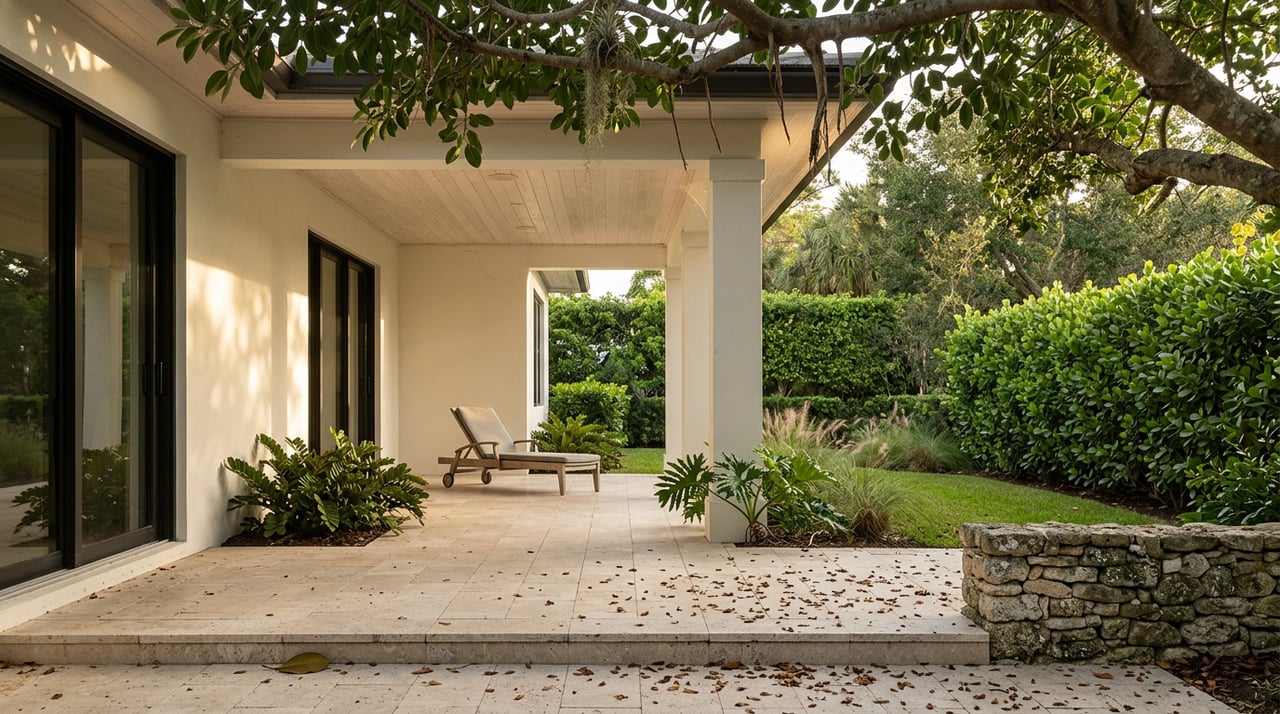
What defines it: Large overhangs and deep lanais, big sliding glass openings, minimalist detailing, and a strong connection to landscape. Materials often include wood, stone, and shaded glazing, with flat or low‑slope roofs and an emphasis on natural ventilation.
Maintenance to plan for:
How it lives day to day: If you prioritize indoor‑outdoor living, this style shines. Shading and cross‑breezes can reduce cooling loads. Heavy rain or hurricane season can limit outdoor use at times, so high‑quality door systems, screens, and covered spaces matter.
Resale and renovation outlook: Thoughtfully designed Tropical Modern homes are in demand with buyers seeking a Miami‑appropriate modern look. Renovations should preserve the indoor/outdoor balance while upgrading to current hurricane standards as needed.
What defines it: Clean lines, open floor plans, large picture windows and sliders, and distinctive roof forms like flat, butterfly, or shed. Materials often include concrete block, steel, and wood, with a focus on site integration and daylight.
Maintenance to plan for:
How it lives day to day: Open plans and abundant light fit modern lifestyles, but solar heat gain needs shading. Many homes were designed around natural ventilation; today, most owners add or upgrade HVAC for comfort.
Resale and renovation outlook: Authentic mid‑century homes that keep their character while updating systems attract design‑minded buyers. Budget for glazing, roof, and potential structural improvements to meet current standards.
What defines it: Single or one‑and‑a‑half stories, generous front porches, wood siding or clapboard, and modest footprints on garden‑oriented lots. Many of the Grove’s original cottages were adapted to the tropical climate with cross‑ventilation and shaded outdoor areas.
Maintenance to plan for:
How it lives day to day: Bungalows offer cozy scale and strong neighborhood character. Many need kitchen and bath updates to feel truly modern. Walking access to village areas can be excellent in central locations.
Resale and renovation outlook: Well‑restored historic cottages are popular with buyers seeking charm. Plan for system upgrades and potential termite or rot remediation. Zoning can limit how much you can expand, so confirm rules early.
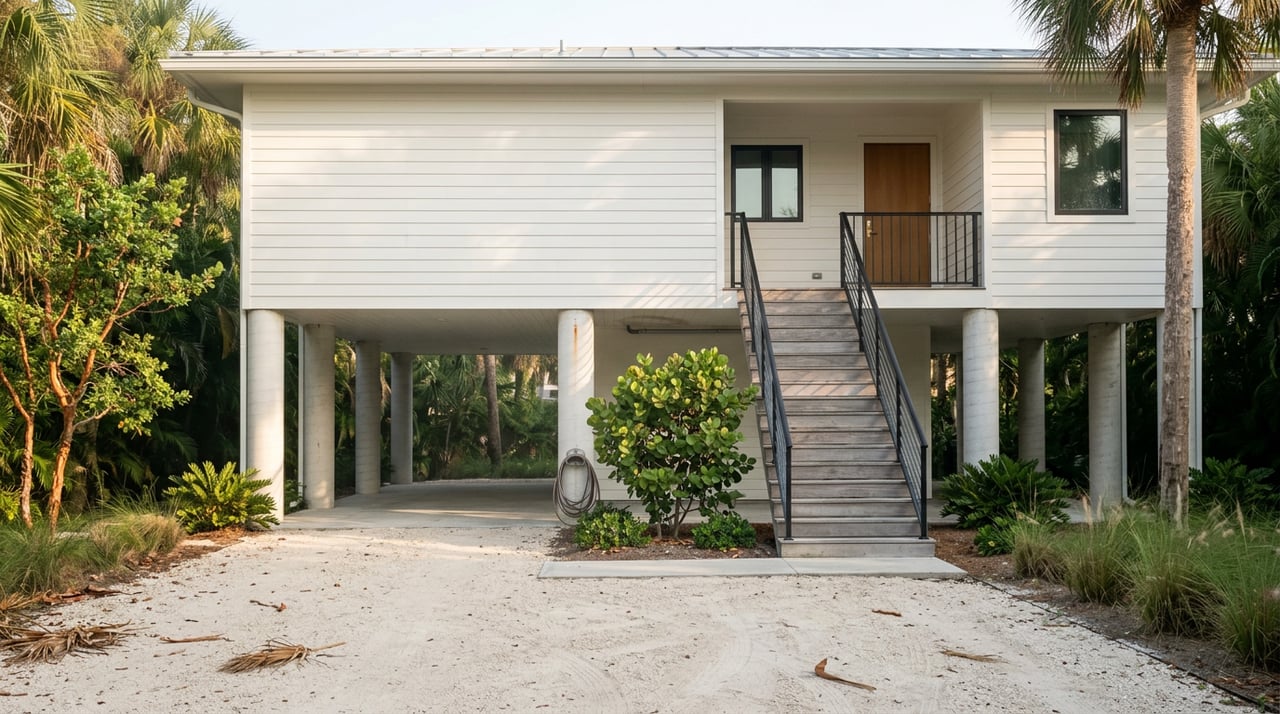
Coconut Grove sits in Florida’s High‑Velocity Hurricane Zone. Older homes often predate current wind standards. You will likely need impact‑rated windows and doors or storm shutters, and insurers may require them. Roof connections, decking, and uplift resistance are important, and roof replacement can be an immediate expense on older properties. Always verify that prior renovations were permitted and meet code.
Flood risk varies across the Grove, especially in low‑lying and bayfront areas. Flood insurance may be required and can be a material ongoing cost. Elevation, site drainage, and seawall condition on waterfront parcels directly affect long‑term risk and maintenance budgets. Consider sea level rise planning when you evaluate waterfront or near‑shore properties.
Salt spray accelerates corrosion on metal, shortens paint life, and can degrade unprotected materials. High humidity increases mold and wood rot risk, and termites are common in South Florida. Mature trees are an asset, but they require trimming, root management, and storm preparation.
Most properties connect to municipal water and sewer, but verify service for the specific address. Older homes may have undersized electrical panels that limit new HVAC or appliance loads. Proper grading, gutters, and site drainage help manage heavy rains and protect neighbors.
If a home is in a historic district, exterior changes and demolition may need approval, which affects timelines and flexibility. Zoning dictates lot coverage, setbacks, and potential for additions or accessory units. Confirm these factors before planning any major change.
Choosing the right fit is part design and part strategy. Use the guideposts below to narrow your focus:
In Coconut Grove, architecture, code, and site conditions intersect with financing, insurance, and long‑term value. You want an advisor who can help you evaluate style‑specific risks, anticipate permitting requirements, and structure a smart offer. With boutique brokerage and in‑house lending expertise, Miami Brokers Group helps you navigate inspections, financing options, and negotiation while sourcing on‑ and off‑market opportunities that fit your criteria. When you are ready to refine your search or privately evaluate a property, reach out for a tailored plan.
Stay up to date on the latest real estate trends.
Etiam non quam lacus suspendisse faucibus interdum. Orci ac auctor augue mauris augue neque. Bibendum at varius vel pharetra. Viverra orci sagittis eu volutpat.